Why One Trusted Mechanic Can Handle Everything From Brake Service to Diesel Truck Repair
Owning and maintaining a vehicle today is more complex than it was even a decade ago. Modern cars and trucks rely on interconnected systems, advanced electronics, and precise engineering that demand more than occasional attention. For drivers, this complexity often raises an important question: is it better to visit multiple specialized shops, or rely on one trusted professional who understands the entire vehicle?
Working with one dependable automotive professional offers benefits that go far beyond convenience. It creates consistency in care, reduces guesswork, and helps ensure that small problems are addressed before they turn into expensive repairs. When someone truly understands how every system in your vehicle works together, maintenance becomes proactive rather than reactive. Over time, that approach can improve safety, extend vehicle life, and reduce overall ownership costs.
The following sections explore how one reliable automotive professional can manage everything from routine maintenance to complex repairs, and why that unified approach matters for everyday drivers and fleet owners alike.
Building Long-Term Trust With One Professional
Building a long-term relationship with a local mechanic goes beyond simple convenience—it creates continuity that directly impacts the reliability, safety, and lifespan of your vehicle. When the same professional sees your car regularly, they aren’t starting from scratch at every appointment. They remember prior concerns, understand past repairs, and can compare current conditions against a well-documented service history. This context allows them to make more accurate judgments and avoid guesswork that often leads to unnecessary repairs or overlooked issues.
As familiarity grows, the mechanic becomes better equipped to spot patterns that would be invisible during a one-time visit. For example, recurring warning lights, intermittent noises, or seasonal performance issues may seem minor in isolation but can indicate a developing problem when viewed over time. A trusted professional can connect those dots early, addressing root causes instead of repeatedly treating symptoms.
This long-term familiarity leads to practical benefits such as:
-
Earlier intervention: Small leaks, wear patterns, or sensor issues are more likely to be caught before they cause breakdowns or secondary damage.
-
More precise diagnostics: Knowing what has already been repaired—or ruled out—reduces trial-and-error troubleshooting.
-
Better value from past repairs: The mechanic can evaluate how previous fixes are holding up and adjust future maintenance plans accordingly.
-
Personalized recommendations: Advice is based on your driving habits, commute length, load usage, and local conditions rather than generic schedules.
Trust also transforms how conversations happen. Drivers who feel respected are more comfortable asking “why” a repair is needed or discussing budget concerns openly. That transparency encourages honest guidance, such as prioritizing safety-critical repairs while postponing cosmetic or non-urgent work. Over time, this dialogue helps drivers make informed decisions instead of feeling pressured or confused.
Ultimately, this relationship shifts vehicle maintenance from a series of isolated transactions into an ongoing collaboration. Both parties share the same goal: keeping the vehicle dependable, safe, and cost-effective over the long run.
Coordinating Maintenance and Repairs Under One Roof
Coordinating all auto repair services under one roof allows each maintenance decision to be made with full awareness of how the vehicle’s systems interact. Modern vehicles rely on tight integration between mechanical, electrical, and safety components, which means work performed on one area can directly influence performance elsewhere. When repairs are fragmented across multiple providers, that critical context is often lost.
A centralized approach helps ensure that no repair is viewed in isolation. For instance, suspension wear can accelerate tire damage, misalignment can affect braking efficiency, and drivetrain issues can place additional stress on transmission components. When a single provider oversees the entire service plan, they can identify these relationships early and recommend solutions that address underlying causes rather than surface-level symptoms.
The practical benefits of this coordination extend beyond technical accuracy:
-
Comprehensive inspections: Routine maintenance visits can cover multiple systems at once, reducing repeat appointments and redundant labor.
-
Consistent service standards: The same quality benchmarks are applied across every repair, leading to more predictable results.
-
Streamlined decision-making: Drivers receive clear, prioritized recommendations instead of conflicting opinions from different shops.
-
Improved record-keeping: A unified service history helps track wear trends, recurring issues, and upcoming maintenance needs.
Centralized coordination is especially valuable when diagnosing complex or intermittent problems. A vibration, warning light, or performance change may stem from several possible systems. With full visibility into prior work and current conditions, the provider can evaluate the vehicle holistically and test solutions logically rather than relying on trial and error.
This approach also saves time. Scheduling becomes easier, repairs are completed more efficiently, and vehicles spend less time out of service. For families with multiple cars or businesses managing fleets, that efficiency translates directly into reduced disruption and lower long-term costs.
Ensuring Safe, Consistent Stopping Power
Handling Heavy-Duty and Specialized Vehicles With Confidence
Effective diesel truck repair requires specialized knowledge that goes well beyond standard passenger vehicle maintenance. Diesel engines operate at higher compression levels, rely on precise fuel delivery, and are often subjected to heavier loads and longer operating hours. These factors make accurate diagnostics and preventive care essential for maintaining performance and avoiding costly downtime.
A professional experienced with both light-duty and diesel platforms understands how these systems differ and where they overlap. That perspective allows them to apply proven maintenance principles while adapting strategies to the demands of heavy-duty use. For example, fuel system care must account for injector sensitivity and contamination risks, while emission components require careful monitoring to prevent performance restrictions or warning lights.
Consistent service from the same provider offers several practical advantages:
-
Fuel and emissions management: Regular monitoring helps maintain efficiency while ensuring compliance with emissions standards.
-
Accurate diagnostics: Familiarity with the vehicle’s workload and history allows faster identification of power loss or drivability issues.
-
Thermal control: Cooling and lubrication systems can be evaluated in context, reducing the risk of overheating under sustained use.
-
Usage-based maintenance planning: Service intervals are tailored to towing, hauling, or idle time rather than generic schedules.
This continuity is particularly important for drivers who depend on their trucks for daily operations. When one professional oversees both personal and work vehicles, maintenance advice remains consistent, realistic, and aligned with how the equipment is actually used. That strategic planning reduces surprises, minimizes downtime, and helps ensure that heavy-duty vehicles deliver dependable performance over the long term.
Managing Drivetrain and Power Transfer Issues Early
Transmission problems are among the most costly vehicle issues when ignored. Early attention to auto transmission repair can prevent minor concerns from escalating into full system failures.
A proactive approach includes:
-
Monitoring fluid levels and condition regularly
-
Addressing unusual noises, slipping, or delayed shifting promptly
-
Evaluating how engine performance and braking affect transmission stress
-
Coordinating transmission care with drivetrain and cooling system maintenance
When one professional oversees transmission health over time, they can detect subtle changes that indicate wear or contamination. This often allows for targeted repairs or adjustments instead of complete replacements.
Integrated care also ensures that transmission work aligns with engine tuning and brake performance, reducing strain across the entire drivetrain.
Knowing When Tire Expertise Fits Into the Bigger Picture

Tires are the only part of a vehicle that directly contacts the road, making them a critical source of information about overall vehicle health. Insights typically associated with a local tire shop—such as tread wear patterns and alignment feedback—become even more valuable when shared with the primary service provider.
Key benefits of integrated tire care include:
-
Identifying suspension or alignment issues early
-
Improving fuel efficiency through proper inflation and rotation
-
Enhancing braking and handling performance
-
Extending tire life through consistent monitoring
When tire observations are connected to braking, steering, and suspension inspections, drivers receive clearer guidance on what adjustments are truly needed. This prevents unnecessary replacements and ensures that tire investments deliver maximum value.
Addressing Collision Damage Beyond the Surface
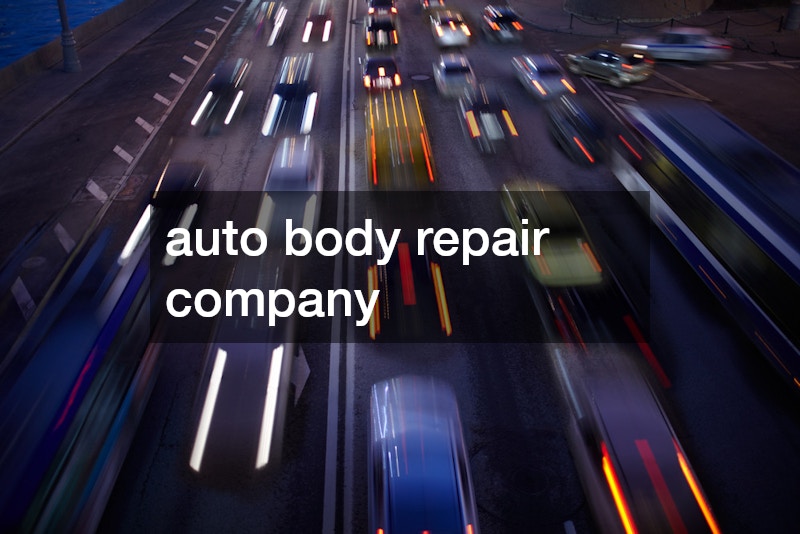
After a collision, visible damage is only part of the story. An experienced auto body shop working in coordination with mechanical inspections ensures that both cosmetic and structural concerns are addressed properly. A reputable auto body repair company looks beyond dents and paint to assess how the impact affected safety systems and vehicle geometry.
Comprehensive post-collision care includes:
-
Inspecting frame alignment and structural components
-
Evaluating suspension, steering, and braking systems
-
Checking sensors, cameras, and safety features
-
Confirming that repairs restore original handling and performance
When body and mechanical work are aligned, drivers avoid lingering issues such as uneven tire wear, pulling, or compromised crash protection. This integrated approach restores not just appearance, but confidence behind the wheel.
Supporting Recovery After an Accident
Vehicle collisions can affect more than just transportation—they can also impact physical well-being. While auto accident injury treatment focuses on medical recovery, vehicle condition plays a supporting role in that process.
Coordinated documentation and repair assessments can:
-
Help clarify how impact forces may have contributed to injuries
-
Support insurance and legal processes with accurate repair records
-
Ensure that safety systems are fully restored before returning to the road
-
Reduce the risk of aggravating injuries due to unresolved vehicle issues
A professional who understands post-accident vehicle evaluation can communicate effectively with insurers and other parties, helping drivers navigate an already stressful situation with greater confidence and clarity.
Understanding Skill, Certification, and Accountability
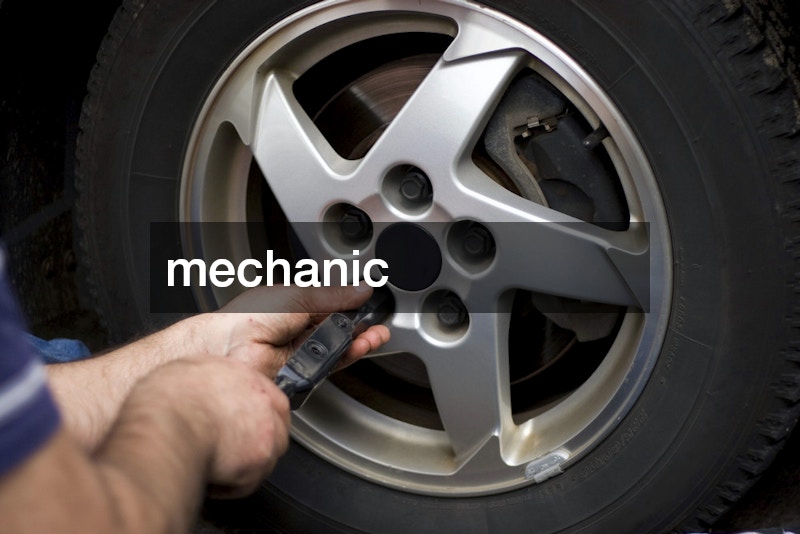
Not all automotive professionals bring the same level of training or accountability to their work. A skilled mechanic combines formal education, hands-on experience, and ongoing learning to stay current with evolving vehicle technology.
Key indicators of quality include:
-
Industry certifications and continued training
-
Experience across multiple vehicle types and systems
-
Clear explanations of findings and recommendations
-
Warranties or guarantees on workmanship
When one professional consistently meets these standards across all services, drivers benefit from reliable advice and predictable outcomes. Accountability becomes clearer, and trust is reinforced with every visit.
Relying on one trusted automotive professional transforms vehicle ownership from a series of disconnected repairs into a well-managed, long-term strategy. Consistent oversight allows problems to be identified earlier, solutions to be more precise, and maintenance decisions to be better informed.
Instead of juggling multiple shops and conflicting opinions, drivers gain a single point of responsibility and a clearer understanding of their vehicle’s true condition. Over time, this approach improves safety, reduces costs, and delivers greater peace of mind. Choosing continuity over fragmentation isn’t just convenient—it’s one of the smartest investments a vehicle owner can make.