The Ultimate Home Maintenance Checklist Repairs That Protect Your Home Year-Round
Owning a home comes with many responsibilities, and one of the most important is ongoing home maintenance. While it’s easy to focus on cosmetic upgrades or visible improvements, the long-term health of a home depends on consistent inspections, preventative repairs, and attention to both indoor and outdoor systems. A well-maintained home not only looks better but also operates more efficiently and safely.
Many homeowners wait until something breaks before addressing problems, but this approach can lead to costly emergency repairs and significant disruptions to daily life. Small issues—like minor leaks, deteriorating materials, or inefficient systems—often develop gradually. By the time they become noticeable, they may already require extensive repairs.
A year-round home maintenance checklist can help homeowners stay ahead of potential problems. By dividing tasks into seasonal routines and focusing on critical systems throughout the year, it becomes much easier to identify issues early and prevent long-term damage. Regular home maintenance also improves energy efficiency, extends the lifespan of major systems, and protects the overall value of the property.
This guide provides a comprehensive checklist of important repairs and home maintenance tasks that help keep homes safe, efficient, and comfortable throughout the year. By following these recommendations and working with qualified professionals when necessary, homeowners can prevent costly surprises and maintain their property with confidence.
Create a Seasonal HVAC Maintenance Routine to Prevent Breakdowns
Heating and cooling systems play a critical role in maintaining a comfortable indoor environment. Because these systems work hard throughout the year, they require regular home maintenance to operate efficiently and reliably. Developing a seasonal routine helps prevent unexpected breakdowns during the hottest or coldest months.
Inspect and Service Systems Before Heavy Use
The best time to evaluate heating and cooling systems is before peak usage seasons begin. This allows homeowners to identify potential issues early and schedule repairs before extreme temperatures arrive.
During routine HVAC inspections, technicians typically check:
-
Air filters and airflow
-
Thermostat performance
-
Refrigerant levels
-
Electrical components
-
Ductwork condition
These preventative checks help identify wear and tear before it causes major system failures.
Watch for Signs of Cooling System Problems
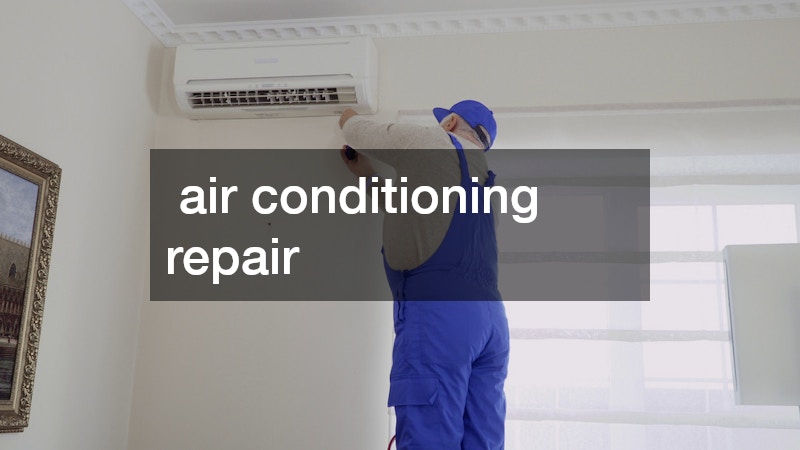
Homeowners should also pay attention to warning signs that indicate the cooling system may need professional attention. Addressing these issues quickly can prevent larger and more expensive problems.
Common indicators that may require air conditioning repair include:
-
Weak airflow from vents
-
Unusual rattling or buzzing noises
-
Warm air coming from vents
-
Higher-than-normal energy bills
-
Frequent system cycling
If these symptoms appear, scheduling service promptly can restore efficiency and prevent system damage.
Prepare Your Heating System Before Winter
Heating systems should also be inspected before cold weather arrives. Routine home maintenance can identify worn components and ensure the system is ready to operate safely during the winter months.
Situations that may require local furnace repair include:
-
Uneven heating throughout the home
-
Unusual odors when the system runs
-
Difficulty starting or maintaining heat
-
Loud or unfamiliar noises
Seasonal HVAC Maintenance Tips
Homeowners can extend system performance by following simple home maintenance habits:
-
Replace air filters every 1–3 months.
-
Keep outdoor HVAC units clear of leaves and debris.
-
Schedule professional system inspections annually.
-
Check vents and registers for blockages.
-
Ensure thermostats are functioning properly.
Maintaining heating and cooling systems throughout the year helps keep homes comfortable while preventing costly breakdowns.
Monitor Plumbing Systems to Prevent Hidden Water Damage
Plumbing systems are essential to everyday household functions, yet many of their components remain hidden behind walls or beneath floors. Because of this, plumbing problems often go unnoticed until significant damage occurs. Regular inspections and preventative home maintenance can help homeowners detect issues early.
Check for Early Signs of Plumbing Problems
Even small plumbing issues can escalate quickly if ignored. Homeowners should pay attention to changes in water pressure, unusual sounds, or visible signs of leaks.
Warning signs of plumbing trouble may include:
-
Slow or gurgling drains
-
Persistent sewer odors
-
Water stains on ceilings or walls
-
Higher water bills without explanation
-
Low water pressure
Investigating these signs early can prevent more severe damage to pipes and fixtures.
Address Drainage Issues Promptly
Drainage problems can indicate deeper issues within a home’s plumbing infrastructure. If problems persist despite basic cleaning or maintenance, professional assistance may be required.
Situations that often require sewer line repair include:
-
Frequent drain backups
-
Multiple clogged fixtures at once
-
Water pooling in the yard above sewer lines
-
Strong sewage odors near drains
Ignoring these issues can lead to property damage and unsanitary conditions.
Maintain Your Water Heating System
Water heaters are another essential component of a home’s plumbing system. With proper maintenance, most units can last many years, but neglect can shorten their lifespan.
Signs homeowners may need water heater repair include:
-
Inconsistent water temperatures
-
Discolored or rusty water
-
Unusual popping sounds from the tank
-
Water pooling near the unit
Plumbing Maintenance Tips
To keep plumbing systems functioning efficiently:
-
Flush the water heater annually to remove sediment.
-
Avoid pouring grease or oils down drains.
-
Install drain strainers to prevent clogs.
-
Inspect visible pipes for corrosion or leaks.
-
Schedule periodic professional plumbing inspections.
Routine plumbing maintenance protects the home from costly water damage and ensures reliable daily use.
Address Outdoor Hazards Before They Cause Property Damage
Exterior maintenance is just as important as indoor upkeep. Landscaping, trees, and outdoor structures can create safety hazards if they are not maintained regularly. By inspecting these areas throughout the year, homeowners can prevent damage to their property.
Inspect Trees for Structural Risks
Trees add beauty and shade to a property, but damaged or unstable trees can pose serious risks during storms or high winds.
Homeowners should inspect trees for:
-
Dead or cracked branches
-
Leaning trunks
-
Root damage or exposed roots
-
Signs of disease or decay
When trees become hazardous, professional tree removals may be necessary to protect nearby structures.
Protect Structures and Utility Lines
Trees that grow too close to homes, garages, or power lines can cause damage during severe weather. Removing these hazards before storms occur can prevent costly repairs.
Professionals have the equipment and expertise to safely remove large trees while protecting surrounding property.
Maintain Property Boundaries and Security

Fences provide privacy, security, and visual appeal, but exposure to weather can weaken these structures over time. Regular inspections help identify damage before it worsens.
Situations that may require professional fence services include:
-
Rotting wood posts
-
Loose or leaning panels
-
Rusted metal components
-
Broken gates or latches
Outdoor Maintenance Checklist
To maintain a safe and functional outdoor space:
-
Trim tree branches annually.
-
Remove dead or diseased trees promptly.
-
Inspect fences after storms.
-
Replace damaged fence posts quickly.
-
Clear debris from yards and landscaping.
Taking proactive steps outside the home helps protect both property and safety.
Upgrade Windows and Flooring to Improve Energy Efficiency and Durability
Interior upgrades can significantly improve a home’s efficiency and durability. Windows and flooring are two areas that often benefit from routine evaluation and occasional upgrades.
Check Windows for Efficiency Problems
Windows play a major role in maintaining indoor comfort. Damaged or outdated windows can allow drafts, moisture, and outside noise to enter the home.
Signs homeowners may need local window replacements include:
-
Drafts near window frames
-
Condensation between glass panes
-
Difficulty opening or closing windows
-
Visible damage to frames or seals
Replacing inefficient windows improves insulation and helps reduce energy costs.
Improve Durability in High-Traffic Areas
Certain parts of the home experience more wear and tear than others. Garages, basements, and workshops often require flooring that can withstand heavy use and moisture exposure.
Professional epoxy flooring services provide a durable protective coating that strengthens concrete floors while creating an attractive finish.
Benefits of Epoxy Flooring
Epoxy coatings offer several advantages for homeowners:
-
Long-lasting durability
-
Resistance to moisture and stains
-
Easy cleaning and maintenance
-
Improved appearance of concrete surfaces
Flooring and Window Maintenance Tips
Homeowners can extend the lifespan of these features by:
-
Inspecting window seals each year
-
Cleaning window tracks and hardware
-
Repairing minor cracks in flooring early
-
Keeping floors dry in moisture-prone areas
-
Following manufacturer maintenance guidelines
Upgrading windows and flooring can improve comfort, efficiency, and the overall appearance of the home.
Ensure Your Home’s Electrical System Is Safe and Up to Date
Electrical systems are essential for powering appliances, lighting, and technology throughout the home. However, outdated wiring or overloaded circuits can create safety hazards if not properly maintained.
Why Electrical Inspections Matter
Older homes may contain wiring systems that no longer meet modern safety standards. Over time, electrical components can deteriorate, increasing the risk of electrical fires or equipment failure.
Routine inspections help identify problems before they become dangerous.
Warning Signs of Electrical Problems
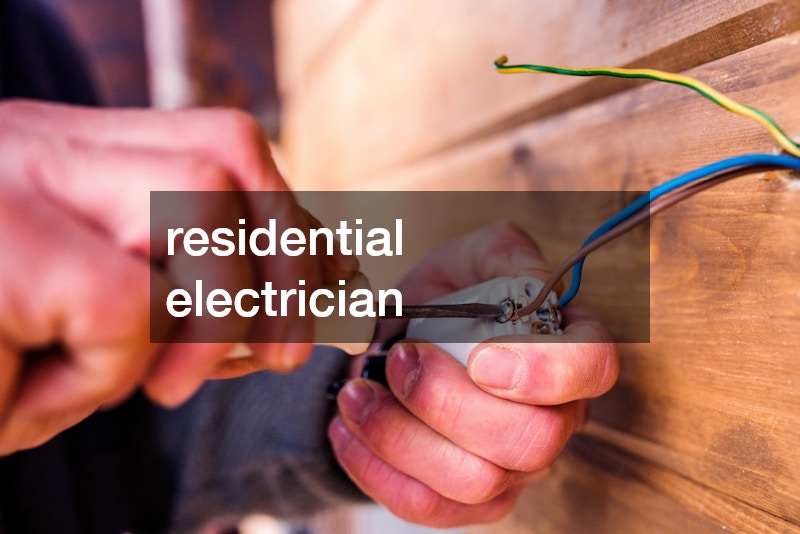
Homeowners should watch for signs that their electrical system may need professional attention, including:
-
Flickering or dimming lights
-
Frequently tripped breakers
-
Burning smells near outlets
-
Warm or discolored electrical outlets
-
Buzzing sounds from switches or panels
If any of these symptoms occur, a qualified residential electrician should evaluate the system.
Preventative Electrical Safety Tips
Maintaining electrical safety involves several proactive steps:
-
Avoid overloading outlets with multiple devices.
-
Replace damaged cords or plugs.
-
Install surge protectors for electronics.
-
Test smoke detectors monthly.
-
Upgrade outdated electrical panels when necessary.
Professional electrical maintenance helps ensure the safety and reliability of a home’s power system.
Update Bathrooms to Prevent Long-Term Moisture Damage
Bathrooms are among the most moisture-prone areas of any home. Without proper ventilation and maintenance, humidity and water exposure can lead to mold growth, structural damage, and plumbing issues.
Monitor Bathroom Fixtures and Surfaces
Regular inspections help homeowners detect early signs of moisture damage.
Common issues to watch for include:
-
Cracked or deteriorating grout
-
Loose or missing caulking
-
Slow leaks beneath sinks
-
Peeling paint or wallpaper
-
Mold or mildew growth
Addressing these issues quickly can prevent long-term damage to walls, flooring, and cabinets.
Improve Ventilation and Moisture Control
Proper ventilation is essential for preventing moisture buildup. Exhaust fans help remove humid air and reduce the risk of mold growth.
Homeowners should:
-
Run ventilation fans during showers.
-
Clean fan vents periodically.
-
Inspect ductwork for blockages.
When Renovations Become the Best Solution
In some cases, aging fixtures or extensive damage may require larger upgrades. Professional bathroom remodeling companies can redesign spaces to improve functionality, ventilation, and durability.
Remodeling may include:
-
Upgrading plumbing fixtures
-
Installing moisture-resistant materials
-
Improving lighting and ventilation
-
Replacing damaged flooring or cabinetry
Bathroom Maintenance Checklist
To maintain bathrooms effectively:
-
Reseal grout and caulking regularly.
-
Inspect plumbing fixtures for leaks.
-
Clean shower areas to prevent mold.
-
Maintain proper ventilation.
Consistent maintenance keeps bathrooms functional and prevents moisture-related damage.
Build a Year-Round Maintenance Schedule to Stay Organized
Home maintenance becomes much easier when tasks are organized into a yearly schedule. Instead of trying to address every issue at once, homeowners can divide responsibilities across the seasons.
Why Preventative Maintenance Saves Money
Small repairs are typically far less expensive than major replacements. Catching problems early allows homeowners to fix minor issues before they escalate into serious damage.
Routine maintenance can help:
-
Extend the lifespan of household systems
-
Reduce repair costs
-
Improve energy efficiency
-
Maintain property value
Create a Seasonal Maintenance Calendar
A seasonal approach helps ensure that important tasks are not overlooked.
Spring tasks may include:
-
Inspecting roofing and gutters
-
Checking windows and doors for drafts
-
Testing outdoor irrigation systems
Summer tasks may include:
-
Inspecting landscaping and outdoor structures
-
Cleaning exterior surfaces
-
Checking attic ventilation
Fall tasks may include:
-
Preparing heating systems for colder weather
-
Cleaning gutters and downspouts
-
Inspecting insulation
Winter tasks may include:
-
Monitoring indoor humidity levels
-
Checking pipes for freezing risks
-
Inspecting indoor safety systems
Track Maintenance and Repairs
Keeping detailed records helps homeowners stay organized and ensures that inspections and repairs occur on schedule.
Helpful tracking methods include:
-
Maintaining a digital home maintenance log
-
Saving receipts and inspection reports
-
Setting reminders for recurring tasks
Staying organized allows homeowners to manage maintenance efficiently throughout the year.
Maintaining a home is an ongoing process that requires attention, planning, and proactive care. While it may seem overwhelming at times, breaking home maintenance tasks into manageable routines helps homeowners stay organized and protect their investment.
By inspecting key systems regularly, addressing small repairs early, and following a structured home maintenance checklist, homeowners can prevent many of the costly issues that arise from neglect. Routine upkeep not only protects the structural integrity of the home but also improves safety, comfort, and energy efficiency.
A consistent approach to home maintenance ensures that homes remain reliable and enjoyable living spaces for years to come. With the right strategy and attention to detail, homeowners can confidently manage their property and avoid unexpected repairs throughout the year.