How to Prevent Spoiled Freight The Complete Guide to Refrigerated Pallet Transport
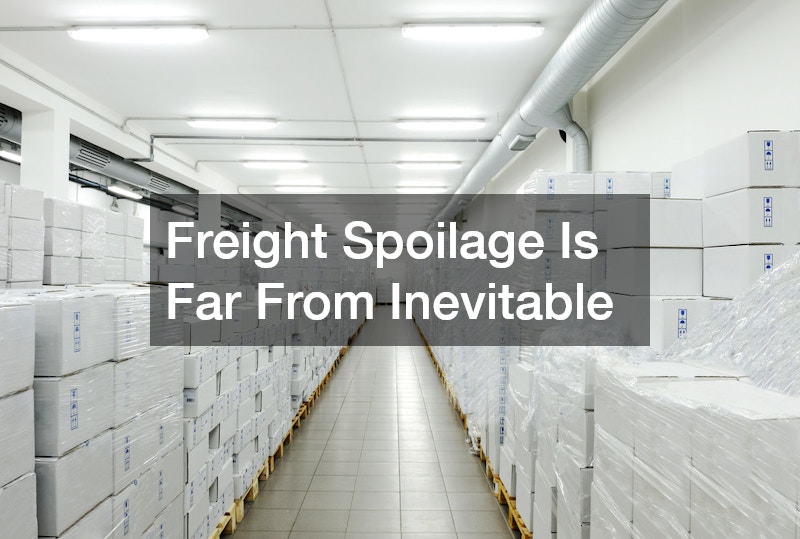
In the perishable goods industry, freight spoilage represents a multi-billion-dollar annual threat to food producers, pharmaceutical manufacturers, and logistics providers worldwide. Preventing product loss during shipping requires rigorous operational protocols, unbroken temperature maintenance, and high-performance refrigerated transport services. When sensitive cargo is exposed to thermal fluctuations, even for brief intervals, the resulting bacterial growth, decay, or chemical instability can ruin entire shipments, cause severe regulatory penalties, and compromise consumer safety.
Modern cold chain management relies on a holistic defense system that blends advanced reefer container technology with precise handling procedures at every stage of distribution. By establishing standardized pre-trip checks, optimized airflow pathways inside trailers, continuous real-time telemetry monitoring, and rigorous dock-to-door handoff procedures, logistics managers can eliminate thermal vulnerabilities across their shipping networks. Securing refrigerated pallet freight isn’t merely about setting a thermostat; it’s an active discipline that safeguards revenue, regulatory compliance, and brand integrity.
Pre-Cooling Equipment and Freight
The foundation of successful temperature-controlled shipping begins long before a trailer hits the highway. A common cause of cargo spoilage is the failure to pre-cool both the cargo and the refrigerated trailer unit prior to loading. Refrigerated trailers are designed to maintain internal environmental temperatures rather than pull down ambient heat from warm goods. If room-temperature pallets are loaded into a reefer trailer, or if cold cargo is placed inside an unconditioned trailer floor, ambient heat becomes trapped inside the sealed enclosure.
This heat transfer raises internal temperatures above safe limits, creating condensation, surface moisture, and rapid microbial decay. Shippers must enforce pre-cooling protocols where goods are stabilized at their target transport temperature in cold storage docks before staging. Concurrently, the transport unit should undergo a pre-trip cooling sequence to flush out ambient air and chill walls, floors, and ceiling air ducts. Establishing this temperature parity eliminates thermal shocks during initial loading.
Optimizing Airflow and Pallet Configuration
To maintain consistent thermal protection throughout a transit route, pallet configuration must encourage unrestricted continuous air circulation. Adhering to structured loading methodologies protects vulnerable freight from localized hot spots:
- Maintain Perimeter Air Gaps: Keep pallets at least three inches away from sidewalls and rear doors to prevent heat conduction from external weather conditions.
- Utilize Ventilated Pallet Designs: Select open-bottom wooden or plastic pallets that allow chilled air to flow freely upward through the cargo stack.
- Avoid Over-Stacking Height: Never stack boxes above the designated load line, as blocking the ceiling evaporator chutes restricts air delivery toward the rear doors.
- Secure Pallet Wraps Correctly: Apply vented stretch film around temperature-sensitive products so trapped heat and moisture can escape into the circulating cold airflow.
- Clear T-Channel Flooring: Ensure floor grooves remain entirely free of debris, broken wood, or fallen packaging materials to guarantee unobstructed return airflow to the refrigeration evaporator unit.
Real-Time Telematics and Continuous Monitoring
Modern cold chain logistics rely heavily on real-time visibility to identify and resolve temperature deviations before cargo damage becomes irreversible. Relying solely on a single dashboard thermometer is no longer sufficient for high-value perishable transport. Leading fleet operations now integrate smart telematics, internet-of-things (IoT) environmental sensors, and multi-zone thermal probes embedded directly inside individual pallets.
These connected systems continuously broadcast real-time data regarding ambient temperature, relative humidity, door-opening frequency, and GPS location back to central management hubs. When temperatures drift beyond specified thresholds due to mechanical malfunction, driver error, or prolonged unloading times, automated alerts instantly notify dispatchers and drivers. Immediate corrective actions, such as adjusting thermostat setpoints, switching to active defrost cycles, or re-routing to local cold storage facilities, can be executed before thermal degradation sets in. Investing in automated monitoring transforms passive hauling into an active, protective delivery model.
Standardized Dock Handoff Protocols
Maintaining unbroken cold chain integrity requires disciplined handoff protocols between warehouse loading docks and transport personnel. Supply chain managers should standardize the following operational rules across all distribution points:
- Perform Pre-Trip Equipment Audits: Inspect door gaskets, seals, reefer fuel levels, and unit battery health prior to loading any perishable cargo.
- Enforce Cold-Chain Dock Seals: Utilize inflatable dock seals and refrigerated staging areas so pallets never traverse unconditioned ambient warehouse docks.
- Verify Pulp Temperatures: Measure internal product temperatures with calibrated probe thermometers at three distinct depth locations on every pallet stack before signing bill of lading documents.
- Minimize Door Openings: Turn off refrigeration units whenever trailer doors open to prevent pulling ambient humidity and warm air into the cargo bay.
- Document Temperature Logs: Maintain continuous digital logs from pickup to final delivery to satisfy regulatory compliance under Food Safety Modernization Act mandates.
Achieving End-to-End Cold Chain Integrity
Preventing freight spoilage during palletized shipping demands absolute precision, rigorous discipline, and seamless collaboration across the entire supply chain network. From pre-cooling trailers and optimizing airflow channels to deploying cutting-edge telematics and enforcing strict dock handling standards, every operational detail plays a critical role in preserving cargo quality. When businesses partner with experienced refrigerated transport services and invest in robust cold chain technologies, they turn potential transport vulnerabilities into a competitive advantage.
Freight spoilage is far from inevitable; rather, it’s a preventable risk that responds directly to comprehensive risk management and proactive operational protocols. By adhering to the guidelines detailed in this guide, food distributors, pharmaceutical suppliers, and logistics leaders can consistently protect product integrity, safeguard consumer safety, maximize profit margins, and deliver pristine goods to market every single time.