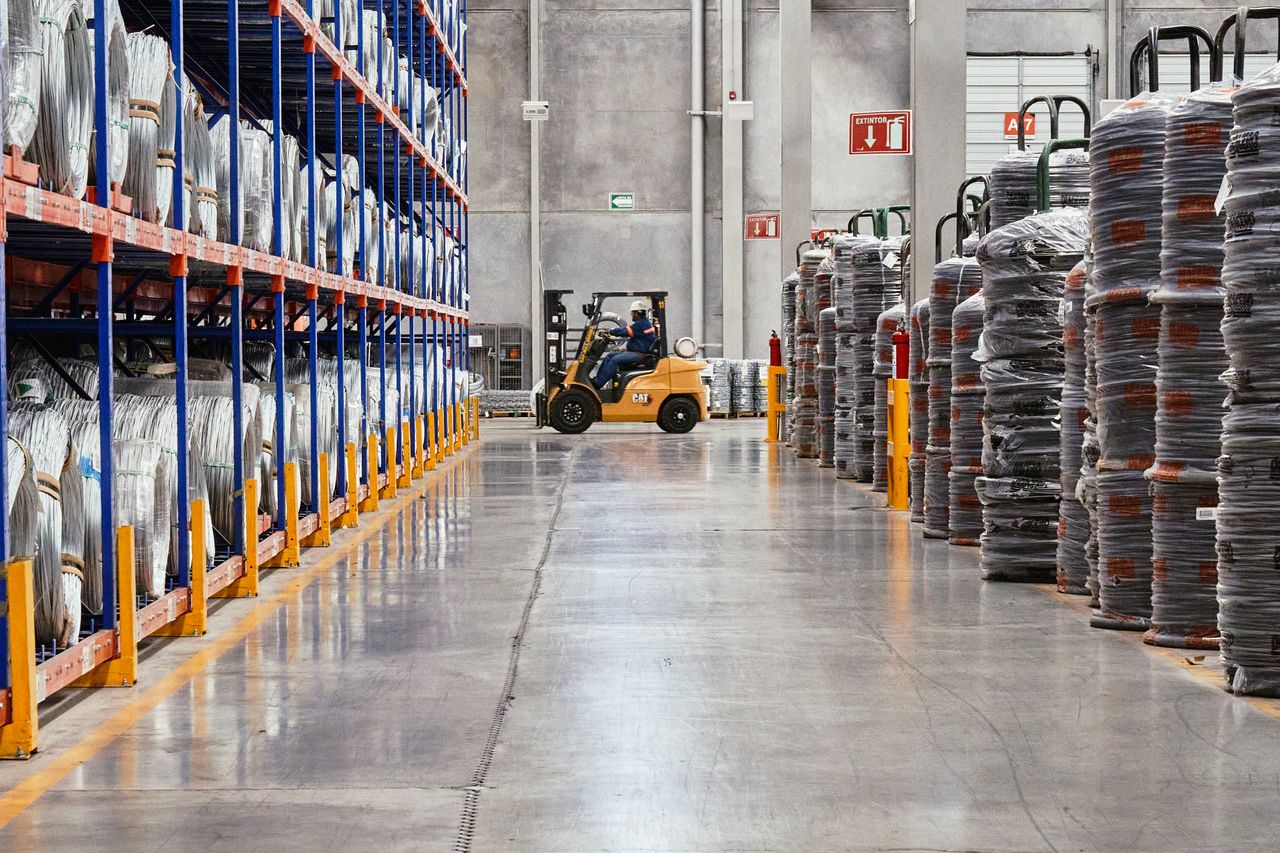
Cold Chain Logistics: Best Practices for Safe Storage and Transportation
Key Takeaways
-
Maintain consistent temperature conditions: Establish product-specific temperature requirements and monitor them throughout storage, handling, and transportation to protect quality and safety.
-
Optimize warehouse facilities: Use effective insulation, reliable refrigeration, suitable flooring, and well-planned storage layouts to maintain stable conditions and improve operational efficiency.
-
Follow proper transportation procedures: Inspect refrigeration equipment, verify temperature settings, plan delivery routes, and minimize product exposure during loading and unloading.
-
Use appropriate packaging and palletization: Select protective packaging, secure loads properly, and maintain adequate airflow to reduce product damage and temperature fluctuations.
-
Implement continuous monitoring and traceability: Use temperature sensors, data loggers, and accurate shipment records to identify deviations and trace potentially affected products.
-
Reduce costs without compromising product safety: Improve energy efficiency, perform preventive maintenance, optimize delivery routes, and minimize avoidable product waste.
-
Prepare for unexpected disruptions: Establish contingency plans for equipment failures, power outages, transportation delays, and alternative storage arrangements to protect inventory and maintain delivery reliability.
Cold chain logistics plays a vital role in protecting products that must remain within specific temperature ranges throughout storage, handling, and transportation. From fresh produce and frozen foods to vaccines, pharmaceuticals, and specialty chemicals, temperature-sensitive goods require carefully coordinated processes to maintain their quality, safety, and usability. Even a short interruption in temperature control can cause spoilage, reduce product effectiveness, or lead to costly inventory losses.
Effective cold chain management involves much more than refrigeration. Businesses must coordinate warehouse operations, packaging, transportation equipment, temperature monitoring, inventory management, and delivery schedules. Every stage must work together to prevent temperature fluctuations and minimize unnecessary exposure to external conditions. By adopting practical cold chain logistics strategies, organizations can improve product protection, reduce waste, strengthen supply chain reliability, and meet applicable safety requirements. Understanding these practices helps businesses build a more resilient system for handling temperature-sensitive goods from their point of origin to their final destination.
1. What Is Cold Chain Logistics and Why Does It Matter?
Cold chain logistics is the process of storing, handling, and transporting temperature-sensitive products under controlled environmental conditions. It combines specialized facilities, refrigerated vehicles, appropriate packaging, monitoring technologies, and standardized procedures to maintain product integrity throughout the supply chain. Unlike conventional logistics, which primarily focuses on moving goods efficiently, cold chain operations must also ensure that products remain within their required temperature ranges.
The importance of cold chain logistics extends across several industries. Food distributors depend on temperature control to preserve freshness and reduce contamination risks. Pharmaceutical companies need reliable conditions to protect products that may lose effectiveness when exposed to unsuitable temperatures. Manufacturers and laboratories also use temperature-controlled systems to transport specialized materials safely.
Which industries depend on cold chain logistics?
Several industries rely on uninterrupted temperature management:
- Food and beverage: Fresh fruits, vegetables, seafood, dairy products, meat, and frozen foods require appropriate storage and transportation conditions to preserve quality and safety.
- Pharmaceuticals and healthcare: Vaccines, biologics, certain medicines, and laboratory materials may require refrigerated or frozen environments throughout distribution.
- Agriculture: Seeds, harvested crops, flowers, and other agricultural products may need controlled temperatures to maintain freshness and reduce deterioration.
- Chemical manufacturing: Certain specialty chemicals and temperature-sensitive industrial materials require specific environmental conditions during storage and shipment.
- Biotechnology and research: Biological samples and laboratory reagents may need carefully controlled conditions to maintain their suitability for testing and research.
What happens when temperature control fails?
Temperature excursions occur when products are exposed to conditions outside their specified limits. Depending on the product, these events may accelerate microbial growth, damage product structure, reduce shelf life, or compromise pharmaceutical stability.
The consequences can extend beyond the affected shipment. Businesses may face rejected deliveries, customer complaints, regulatory investigations, inventory write-offs, and reputational damage. Establishing clear temperature requirements and documenting handling procedures helps organizations identify risks before they develop into costly problems.
2. How Should Businesses Establish the Right Temperature Requirements?
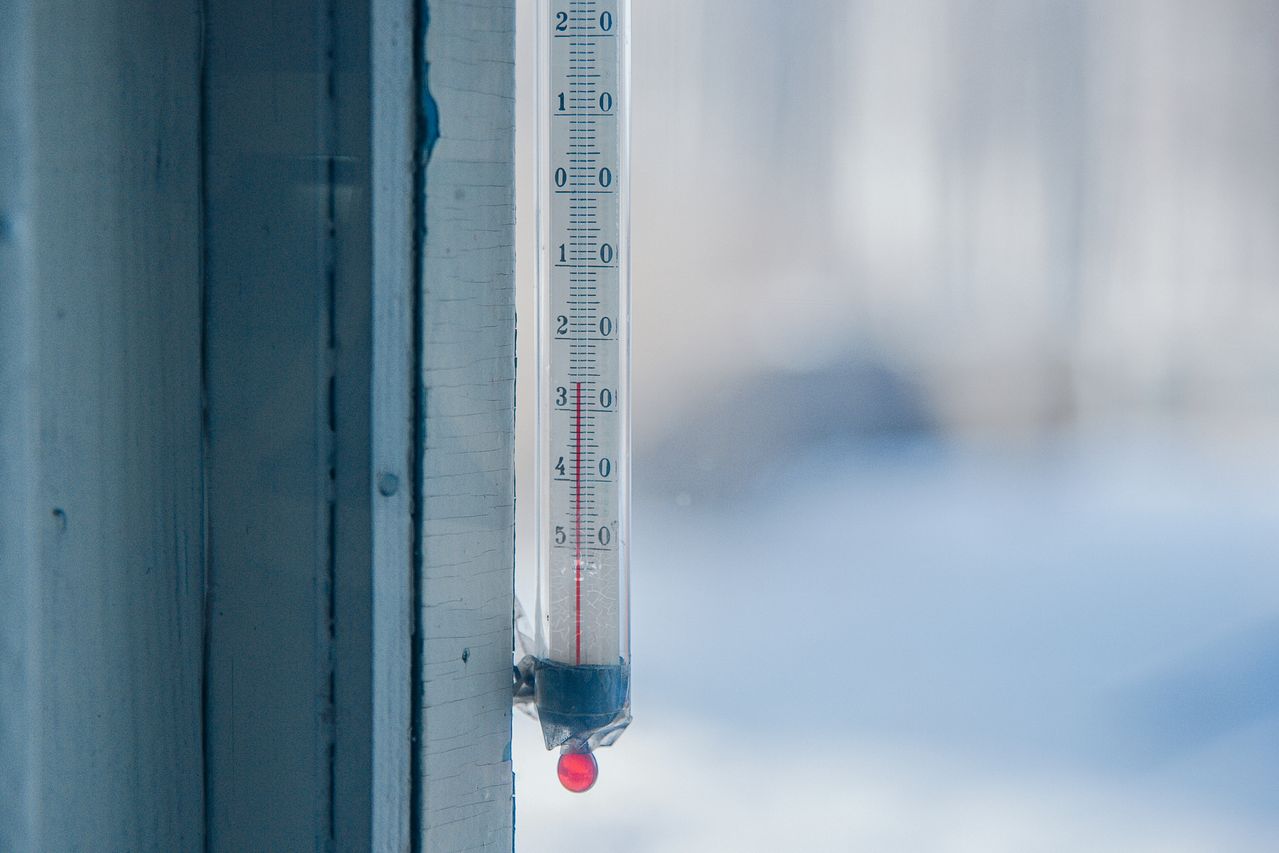
Successful cold chain operations begin with understanding the specific requirements of every product being handled. Not all temperature-sensitive goods need refrigeration at the same temperature, and some must remain frozen rather than chilled. Applying one temperature setting across an entire warehouse or transportation network can create unnecessary risks when products have different storage requirements.
Businesses should establish product-specific operating ranges using manufacturer instructions, validated storage specifications, applicable regulations, and documented quality procedures. These requirements should guide decisions about warehouse zones, packaging, vehicle settings, monitoring equipment, and delivery schedules. Clear specifications also help employees recognize when a shipment is approaching an unacceptable condition and determine what corrective action is appropriate.
How do chilled, frozen, and controlled-room-temperature products differ?
Different products require different environmental conditions. The correct range depends on the product, its intended use, and the applicable handling instructions.
- Chilled products: Many fresh foods and certain medicines require refrigerated conditions, but their precise temperature limits vary. Businesses should follow product-specific specifications rather than assuming that one refrigerator setting suits every shipment.
- Frozen products: Frozen foods and certain biological materials require conditions that prevent unwanted thawing. Storage and transport procedures must account for loading times, door openings, and transfer between facilities.
- Controlled-room-temperature products: Some pharmaceuticals and specialty goods must remain within defined ambient temperature limits. They may not require continuous refrigeration, but they still need protection from excessive heat, cold, and temperature fluctuations.
- Deep-frozen products: Certain specialized products require substantially lower temperatures than conventional frozen goods. Dedicated equipment and validated handling procedures may be necessary.
How can companies prevent incompatible products from being stored together?
Businesses should classify inventory according to its temperature requirements, handling restrictions, and potential contamination risks. Separate storage zones can prevent incompatible products from sharing the same environment, while clear labels help employees identify the correct handling instructions.
A documented product-handling matrix is useful for facilities that manage multiple categories of temperature-sensitive goods. It can specify acceptable temperature ranges, packaging requirements, storage locations, monitoring frequency, and escalation procedures. Employees should consult this information before receiving, transferring, or dispatching unfamiliar products.
3. What Makes a Cold Storage Facility Reliable and Efficient?
A reliable cold storage facility must maintain stable environmental conditions while supporting safe movement, organized inventory, and efficient daily operations. Refrigeration equipment is only one part of the system. Insulation, doors, flooring, drainage, shelving, lighting, and airflow all influence how consistently a facility performs. Weaknesses in any of these areas can increase operating costs or create localized temperature problems.
Facility planning should therefore consider both product protection and operational practicality. Warehouse operators need to understand how goods arrive, where they are stored, how quickly they move through the facility, and how frequently employees access different zones. A layout that minimizes unnecessary handling and limits exposure to warmer environments can support better temperature control while improving productivity.
Which facility features deserve the most attention?
Several design and maintenance priorities contribute to dependable operations:
- Thermal insulation: Properly installed insulation limits unwanted heat transfer through walls, ceilings, and floors. Insulation performance should be suitable for the facility’s operating temperatures and environmental conditions.
- Refrigeration capacity: Cooling equipment must accommodate the building’s heat load, incoming products, door openings, lighting, equipment, and normal operating activity.
- Air circulation: Appropriate airflow distributes cooled air throughout storage areas. Poor circulation can create warm spots, even when the refrigeration system appears to be functioning normally.
- Flooring and drainage: Floors should withstand operational loads and suit the facility’s temperature and hygiene requirements. Appropriate drainage and surface maintenance help reduce safety and sanitation problems.
- Storage systems: Shelving and racking should support safe access, adequate circulation, and efficient inventory movement without obstructing cooling airflow.
- Insulated doors and loading areas: Rapidly opened doors allow outside air to enter and can introduce moisture. Well-managed loading areas and appropriate door systems help reduce these disturbances.
How can warehouse layout improve temperature stability?
Warehouse layout influences how often products encounter temperature changes. Placing frequently accessed inventory near suitable dispatch or picking areas can reduce unnecessary travel and handling. Separating receiving, inspection, storage, and dispatch activities also helps employees follow consistent procedures.
Businesses can evaluate their existing facilities by reviewing traffic patterns, door-opening frequency, recurring temperature alarms, and the location of damaged or rejected goods. Reviewing these operational patterns helps identify whether layout changes, improved procedures, or equipment adjustments would provide the greatest benefit.
For additional planning considerations, businesses can review guidance on Cold storage warehouse design, particularly when assessing how insulation, flooring, and storage arrangements contribute to temperature-controlled operations.
4. How Can Businesses Maintain Temperature Control During Transportation?
Transportation introduces challenges that are different from those found in stationary storage facilities. Refrigerated vehicles must maintain suitable conditions despite changing outdoor temperatures, traffic delays, loading activities, and frequent delivery stops. Products may also experience temporary exposure during transfers between warehouses, distribution centers, vehicles, and receiving facilities.
A dependable transportation process begins before the vehicle leaves the loading area. Equipment must be suitable for the shipment, the cargo must be prepared correctly, and the delivery route should account for the time and environmental conditions involved. Drivers, warehouse employees, and logistics coordinators should share responsibility for maintaining the required conditions and responding promptly when problems occur.
What should happen before a refrigerated shipment departs?
Pre-dispatch checks help identify problems before they affect cargo. A standard checklist should include:
- Inspect the refrigeration unit: Confirm that the equipment is operational and suitable for the expected journey and cargo requirements.
- Prepare the cargo compartment: Ensure the compartment is clean, appropriately conditioned, and ready to receive the shipment.
- Verify temperature settings: Compare the vehicle’s settings with the documented requirements for the specific products being transported.
- Inspect packaging and pallets: Check that packages are secure, intact, and arranged to support suitable airflow.
- Review monitoring equipment: Confirm that sensors, recorders, alarms, and other required monitoring devices are functioning.
- Confirm route and delivery arrangements: Account for travel time, scheduled stops, traffic risks, and the receiving facility’s availability.
Why do loading practices affect refrigerated transportation?
Loading procedures can influence the temperature conditions experienced by products throughout a journey. Products that enter a vehicle at an unsuitable temperature may place additional demands on the refrigeration system. Similarly, blocking air outlets or tightly packing cargo against compartment walls can restrict circulation and create uneven cooling.
Goods should be prepared according to their specifications before loading. Pallets must be arranged so that the intended airflow paths remain unobstructed, and employees should minimize the time that temperature-sensitive products remain exposed during transfers. These precautions are especially important when handling mixed shipments or products with different temperature requirements.
Reliable Refrigerated pallet transport depends on coordinating pallet preparation, appropriate vehicle conditions, temperature monitoring, and careful handling throughout the journey.
5. Which Packaging and Palletization Practices Help Protect Products?
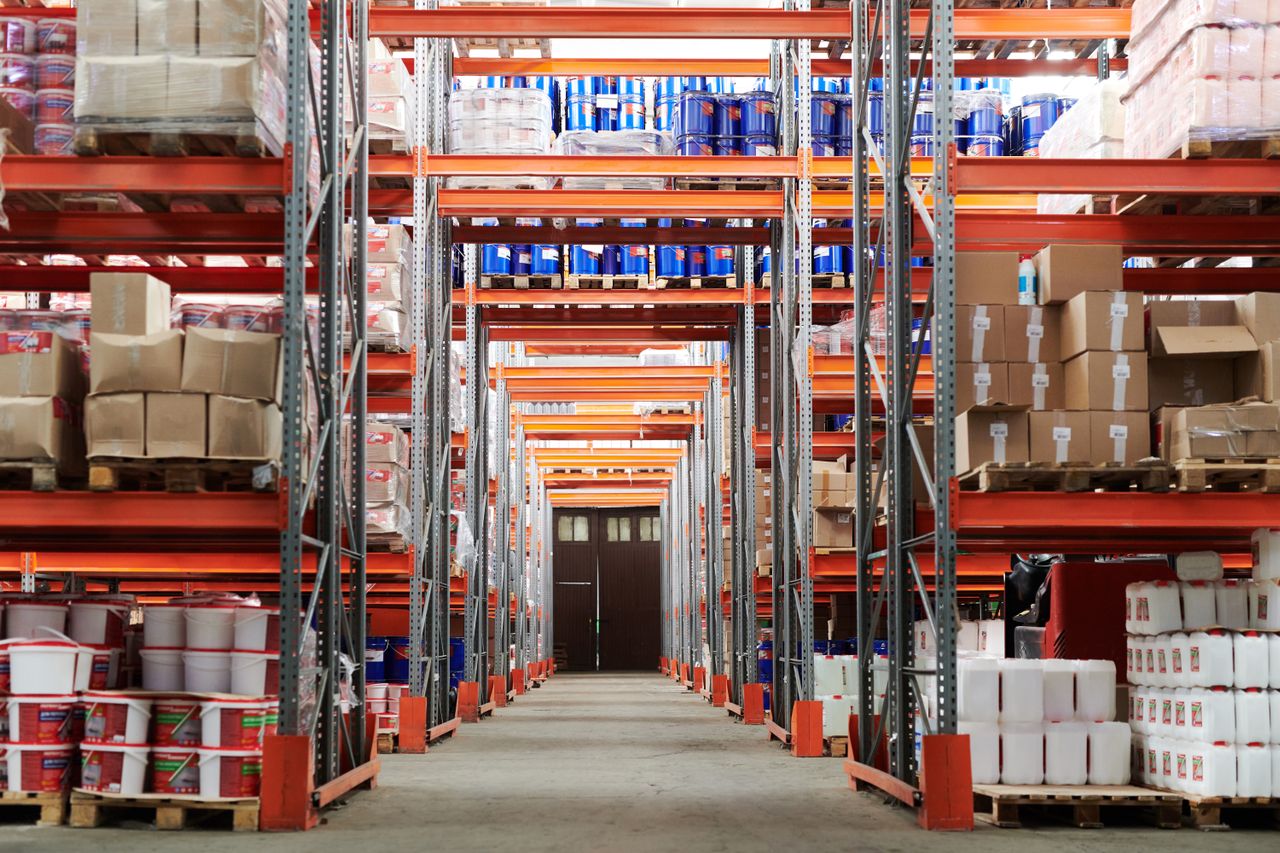
Packaging acts as a protective barrier between a product and its surrounding environment. In cold chain logistics, it must support the required temperature conditions while protecting goods from physical damage, moisture, contamination, and excessive movement. The appropriate packaging depends on the product, the duration of the journey, the transportation method, and the expected environmental conditions.
Palletization is equally important because it determines how products are arranged, stabilized, and moved through the supply chain. Poorly arranged pallets can restrict airflow, increase handling damage, and make it harder to load or unload shipments quickly. Consistent packaging and palletization standards help businesses reduce avoidable losses and improve handling efficiency.
How should businesses select protective packaging?
Packaging decisions should reflect the actual risks associated with a shipment rather than relying on a single standard solution.
- Insulated packaging: Insulated containers and liners help reduce heat transfer during suitable transport applications. Their performance depends on the materials used, the surrounding conditions, and the duration of exposure.
- Refrigerants and coolant systems: Gel packs, dry ice, or other cooling materials may be appropriate for specific products and transport arrangements. Compatibility, safety, and applicable handling requirements must be evaluated before use.
- Moisture-resistant materials: Suitable packaging helps protect goods from condensation and moisture-related damage, particularly during transfers between environments with different temperatures.
- Tamper-evident protection: Seals and appropriate security measures help identify unauthorized access or interference during transportation.
- Clear labeling: Labels should communicate required handling conditions, orientation instructions, product identification, and any applicable safety precautions.
What makes palletization effective?
Effective palletization combines load stability with appropriate spacing and safe handling. Cartons should be arranged to distribute weight evenly, and loads should be secured using suitable wrapping, strapping, or other approved methods. Overhanging cartons can become damaged, while unstable stacks increase the risk of accidents during movement.
Businesses should also ensure that packaging and pallet configurations suit their storage racks, lifting equipment, and transportation vehicles. Standardized pallet dimensions can simplify loading and unloading, but the chosen configuration must still accommodate the product’s temperature and airflow requirements.
6. How Does Temperature Monitoring Improve Cold Chain Performance?
Temperature monitoring provides evidence of the conditions experienced by products during storage and transportation. Without reliable records, businesses may struggle to determine whether a shipment remained within its required limits or identify when a temperature excursion occurred. Monitoring systems help operators detect problems, investigate their causes, and make informed decisions about potentially affected inventory.
An effective monitoring program combines appropriate sensors, accurate records, clearly defined alert thresholds, and documented response procedures. Installing sensors alone is insufficient if employees do not review the data or respond to warnings. Businesses should determine who receives alerts, who investigates deviations, and who has the authority to place affected products on hold.
Which monitoring technologies are useful?
Different technologies support different monitoring needs:
- Digital temperature sensors: These measure conditions at selected locations and provide readings for routine operational checks.
- Data loggers: These record temperatures over time, allowing teams to review historical conditions and investigate possible excursions.
- Real-time monitoring systems: Connected devices can transmit readings to centralized platforms and notify responsible employees when conditions move outside defined limits.
- GPS-enabled shipment tracking: Location information can help teams investigate delays, unexpected stops, and deviations from planned routes when combined with temperature records.
- Integrated warehouse systems: Connecting monitoring information with inventory and warehouse management systems can improve traceability and help identify affected batches.
How should businesses respond to temperature alarms?
Every temperature alarm should trigger a response appropriate to the product and the seriousness of the deviation. Employees should verify the reading, assess the duration and extent of the excursion, and follow established escalation procedures. If product quality may be compromised, affected inventory should be identified and handled according to the organization’s quality system.
A useful response procedure documents the time of the event, the observed temperatures, the product or shipment involved, and the actions taken. For regulated products, qualified quality personnel may need to determine whether the goods can be released, require further assessment, or must be rejected. Decisions should rely on product-specific evidence and applicable requirements rather than assumptions based on appearance alone.
7. What Role Do Inventory Management and Traceability Play?
Inventory management helps ensure that temperature-sensitive goods are stored, selected, and dispatched in the correct order. Poor stock rotation can result in products remaining in storage longer than intended, while inaccurate records make it difficult to locate affected goods when a problem occurs. A well-organized inventory system supports product quality, operational efficiency, and accountability throughout the cold chain.
Traceability connects products with their associated handling records, locations, shipment details, and receiving information. This becomes particularly important when businesses need to investigate a temperature excursion, respond to a customer complaint, or conduct a product recall. Accurate records allow teams to identify affected batches and determine which shipments require further attention.
Which inventory practices should be implemented?
Several practices can strengthen cold chain inventory control:
- First-expired, first-out rotation: Prioritize products with the earliest expiry dates when product requirements permit. This helps reduce losses from expired or outdated stock.
- Batch and lot tracking: Maintain identifiers that connect inventory with supplier details, receiving records, and shipment documentation.
- Receiving inspections: Verify product condition, packaging integrity, temperature records, and shipment documentation before accepting goods into inventory.
- Location tracking: Record where products are stored and update their locations when they are moved.
- Dispatch verification: Confirm product identity, quantities, required handling conditions, and destination information before goods leave the facility.
- Document retention: Keep relevant temperature records, inspection reports, and shipment documents for the period required by business policies and applicable regulations.
How can digital systems improve traceability?
Warehouse management systems and transportation management platforms can centralize inventory information, shipment schedules, and handling records. When integrated with temperature monitoring systems, they can help teams associate environmental readings with particular products, locations, and transport movements.
Automation can also reduce manual data-entry errors and improve the speed of investigations. However, businesses should validate system accuracy, manage user access appropriately, and maintain contingency procedures for equipment failures or connectivity interruptions.
8. How Can Businesses Reduce Cold Chain Costs Without Compromising Safety?
Cold chain operations can involve substantial energy consumption, specialized equipment, packaging expenses, and transportation costs. Businesses may be tempted to reduce these expenses by lowering monitoring frequency, delaying maintenance, or selecting equipment based primarily on its initial price. Such decisions can create greater costs if they increase spoilage, equipment failures, or rejected shipments.
A better approach is to evaluate total operating costs alongside product protection and service reliability. Efficient equipment, well-planned routes, appropriate packaging, and consistent operating procedures can reduce waste while maintaining required conditions. Cost-saving initiatives should be assessed against product specifications and applicable safety obligations before implementation.
Which operational improvements can deliver meaningful savings?
Organizations can review several areas for improvement:
- Energy-efficient refrigeration: Equipment selected for the facility’s actual cooling requirements may reduce energy consumption while maintaining suitable conditions.
- Preventive maintenance: Routine inspections and timely repairs can reduce unexpected failures and help preserve equipment performance.
- Optimized delivery routes: Better scheduling and route planning can reduce travel time, fuel use, and unnecessary door openings during multi-stop deliveries.
- Improved load planning: Combining compatible shipments where practical can increase vehicle utilization without compromising temperature requirements or delivery commitments.
- Reduced product waste: Better forecasting, stock rotation, and temperature monitoring can help prevent avoidable spoilage.
- Employee training: Consistent handling practices can reduce loading errors, unnecessary exposure, and equipment misuse.
Which performance indicators should be reviewed?
Businesses should measure results rather than assuming that a new process has improved performance. Useful indicators include temperature excursion frequency, spoilage rates, rejected deliveries, on-time delivery performance, energy consumption, equipment downtime, and transportation cost per shipment.
Reviewing these indicators over time can reveal recurring problems and help teams prioritize investments. For example, repeated temperature alarms near a loading dock may indicate a need to improve door management or loading procedures rather than purchase additional refrigeration equipment immediately.
9. How Can Businesses Prepare for Cold Chain Disruptions?
Cold chain disruptions can result from power outages, refrigeration failures, extreme weather, traffic delays, equipment damage, or unexpected warehouse closures. Even well-managed operations cannot eliminate every possible interruption, so contingency planning is essential. A documented response plan helps employees act quickly, protect inventory, and coordinate recovery activities when normal operations are interrupted.
Preparation should cover both immediate responses and longer-term recovery. Businesses need to know how to protect affected goods, communicate with transport partners, identify alternative storage facilities, and document decisions. Plans should be realistic, regularly reviewed, and tested under conditions that reflect the organization’s operations.
What should a contingency plan include?
A practical cold chain contingency plan should address the following:
- Backup power arrangements: Determine how essential refrigeration equipment will remain operational during power interruptions, where backup systems are available.
- Emergency contacts: Maintain current contact details for equipment technicians, warehouse managers, transport providers, suppliers, and relevant quality personnel.
- Alternative storage locations: Identify suitable facilities that can accommodate the required product temperatures and handling conditions.
- Backup transportation: Establish procedures for arranging replacement vehicles or transferring cargo when a refrigerated vehicle becomes unavailable.
- Product assessment procedures: Define how affected goods will be identified, isolated, assessed, and released or rejected by authorized personnel.
- Communication protocols: Ensure customers, receiving facilities, and internal teams receive accurate information about significant delays or handling incidents.
How often should emergency procedures be reviewed?
Contingency plans should be reviewed whenever significant changes occur in equipment, facilities, suppliers, routes, products, or applicable requirements. Businesses should also conduct periodic exercises to verify that employees understand their responsibilities and can locate essential information quickly.
After an actual disruption, teams should document what happened, evaluate how effectively the response worked, and identify improvements. These reviews help organizations strengthen their procedures and reduce the likelihood of similar incidents causing comparable losses in the future.
10. How Can Businesses Build a More Reliable Cold Chain?
A reliable cold chain depends on consistent procedures, suitable equipment, trained employees, accurate records, and effective coordination between every organization handling a shipment. No single technology or operational improvement can compensate for weaknesses throughout the rest of the process. Businesses should therefore treat cold chain management as an integrated responsibility that begins with product preparation and continues through final delivery.
Improvement should start with an assessment of existing practices. Organizations can identify their highest-risk products, review temperature records, inspect facilities and transportation equipment, and examine recurring delivery problems. These findings provide a practical basis for prioritizing improvements rather than investing in changes that may not address the underlying causes of product loss.
Which steps should businesses prioritize?
A structured improvement plan can help organizations make progress without disrupting daily operations.
- Document product requirements. Establish the acceptable temperature ranges, packaging conditions, handling instructions, and monitoring needs for each product category.
- Review storage and transport capabilities. Confirm that facilities, vehicles, equipment, and packaging are appropriate for the products being handled.
- Standardize operating procedures. Create clear instructions for receiving, storage, loading, monitoring, dispatch, and incident response.
- Train employees and partners. Ensure that everyone responsible for handling goods understands the procedures and knows how to escalate problems.
- Strengthen monitoring and traceability. Maintain accurate records and define how temperature deviations will be investigated and documented.
- Measure performance regularly. Track product losses, equipment reliability, delivery performance, and other relevant indicators to identify opportunities for improvement.
- Review and update procedures. Use audit findings, incidents, and operational data to refine processes as business requirements evolve.
Conclusion
Cold chain logistics is essential for protecting temperature-sensitive products and maintaining quality throughout storage, handling, and transportation. Reliable performance requires coordinated planning, suitable facilities, effective refrigeration, appropriate packaging, continuous monitoring, accurate inventory records, and prepared employees. Weaknesses at any stage can compromise products and create avoidable financial and operational losses.
Businesses can strengthen their cold chain operations by establishing clear temperature requirements, maintaining equipment, improving warehouse and transportation procedures, and preparing for unexpected disruptions. Regular performance reviews help identify recurring problems and guide practical improvements. By treating temperature control as a responsibility shared across the entire supply chain, organizations can reduce waste, improve delivery reliability, and build a more resilient system for moving sensitive goods from their origin to their final destination.