How to Choose the Best Firewood for Your Needs
Whether you are heating your home, enjoying a backyard fire pit, or relaxing at a campsite, the quality of your firewood matters. A good firewood sale may offer many choices, but not all wood burns the same. The right firewood will burn hotter, cleaner, and longer, while poor-quality wood can be smoky, inefficient, and hard on your chimney or stove. By understanding wood types, moisture content, and how firewood is prepared, you can choose the best option for your needs.
Know Your Purpose First
Before you buy from any firewood sale, think about how you plan to use the wood. Different uses often call for different types of firewood.
- Home heating in a wood stove or fireplace: Dense hardwoods that burn hot and long are best.
- Outdoor fire pit or campfire: Wood that lights easily and produces a nice flame is ideal.
- Cooking or smoking food: You need wood that burns steadily and adds a pleasant flavor without heavy smoke.
Once you are clear on your main purpose, it becomes easier to match the right firewood to your situation.
Hardwoods vs. Softwoods
One of the first choices you will face at a firewood sale is between hardwoods and softwoods.
Hardwoods (oak, maple, hickory, ash, beech):
- Burn hotter and longer
- Produce good coals, which are ideal for heating and cooking
- Contain less sap and resin, so they burn cleaner
These qualities make hardwoods the top choice for home heating and long, steady fires.
Softwoods (pine, spruce, fir, cedar):
- Light quickly and are easy to ignite
- Burn faster and may produce more sparks
- Are often used as kindling or for short outdoor fires
Most homeowners prefer hardwood as their main fuel and use softwood mainly to help start the fire.
The Importance of Seasoned Wood
No matter what species you prefer, properly seasoned wood is essential. When you see a firewood sale, always ask if the wood is seasoned or green.
Seasoned firewood has been cut, split, and dried for at least six months and often up to a year. It:
- Has a moisture content around 20 percent or less
- Lights more easily and burns hotter
- Produces less smoke and less creosote in your chimney
Green firewood is freshly cut and still holds a lot of moisture. It:
- Is hard to start and keep burning
- Produces more smoke and soot
- Can lead to creosote buildup and increase the risk of chimney fires
Signs of well-seasoned wood include cracks on the ends, lighter weight compared to fresh logs, and a hollow sound when two pieces are knocked together.
Choosing the Right Wood Species
At a firewood sale, you may find mixed loads or single-species options. Some popular choices include:
- Oak: Very dense, long-burning, and excellent for home heating.
- Maple: Burns hot and relatively clean, suitable for stoves and fireplaces.
- Hickory: Extremely hot and long-burning, also great for grilling and smoking.
- Ash: Easy to split, burns well, and performs better than many woods even if not perfectly seasoned.
- Birch: Lights quickly and burns hot, although it does not last as long as oak or hickory.
If you rely on wood for regular heating, investing in quality hardwood from a reliable firewood sale will give you better heat output and value over time.
Understanding Firewood Measurements
Firewood is often sold by the “cord,” “face cord,” or “rick.” To compare prices fairly at a firewood sale, it helps to know what these terms mean.
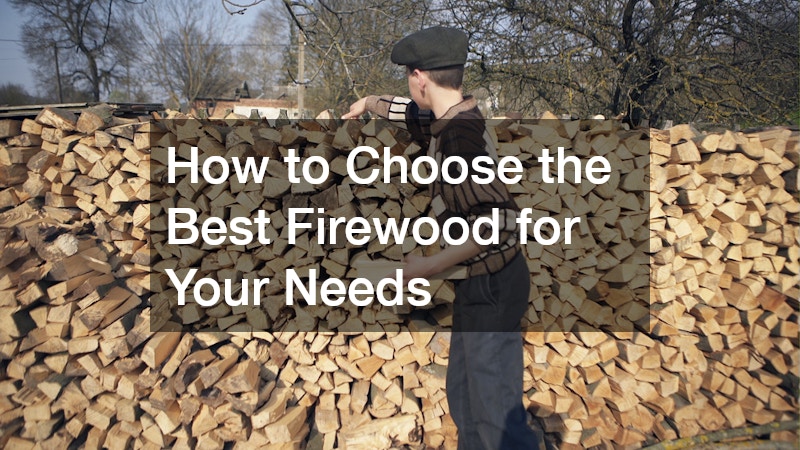
- Full cord: A tightly stacked pile that measures 4 feet high, 4 feet deep, and 8 feet long, for a total of 128 cubic feet.
- Face cord or rick: Usually 4 feet high and 8 feet long, with the depth equal to the length of one log, often about 16 inches. A typical face cord is about one-third of a full cord.
Always ask the seller how they measure and stack the wood. Honest and clear answers are a sign of a reputable supplier.
Inspecting Firewood Before You Buy
If possible, look at the wood before you commit to a firewood sale. Check for:
- Logs that are split and of similar length
- Dry, grayish or dull-colored ends with small cracks
- Minimal mold, fungus, or signs of rot
- Only a mild wood smell instead of a strong fresh sap odor
Well-prepared, clean, and evenly split wood usually indicates a responsible and experienced seller.
Local Wood and Regulations
Buying local wood from a nearby firewood sale offers several benefits. Local wood is more likely to be well suited to your climate, and you often reduce the risk of spreading pests and diseases that can travel in firewood. Many regions have rules that limit moving firewood across certain distances or borders.
Check local guidelines, especially if you plan to take firewood to a campground or vacation property. Choosing local suppliers supports your community and helps protect local forests.
Storing Your Firewood Properly
Even the best load from a firewood sale will not burn well if it is stored incorrectly. To keep your firewood dry and ready to use:
- Stack it off the ground on pallets, rails, or a rack
- Cover the top with a tarp or roof but leave the sides open for air circulation
- Store it in a sunny and breezy spot when possible
- Avoid stacking directly against your house to reduce moisture and pest issues
Good storage will further season your wood and keep it burning hot and efficiently throughout the season.
Choosing the best firewood starts with knowing your needs and then selecting the right type, quality, and supplier. By paying attention to species, seasoning, measurement, and storage, you can make the most of any firewood sale and enjoy hotter, cleaner, and more dependable fires at home or outdoors.