How Private Middle Schools Prepare Students for Future Success
-
Strong Academic Foundations: Private middle schools may offer structured curricula, individualized support, and enrichment opportunities to help students strengthen essential academic skills.
-
Personalized Learning: Teacher feedback and additional academic support can help students address learning gaps, build confidence, and improve study habits.
-
High School Readiness: Developing time management, organization, and independent learning skills can help students prepare for more demanding coursework.
-
Character Development: Classroom activities and school expectations can encourage responsibility, empathy, integrity, and respect for others.
-
Leadership and Teamwork: Group projects, clubs, and sports give students opportunities to practice communication, collaboration, and problem-solving.
-
Practical Skills: Extracurricular activities can help students explore interests, express creativity, and apply classroom knowledge in different settings.
-
Choosing the Right School: Families should compare curriculum quality, student support, school culture, extracurricular programs, and tuition to find the best fit for their child.
Introduction
The middle school years are an important stage in a child’s academic and personal development. During this period, students begin to develop stronger study habits, think more independently, explore new interests, and build relationships that influence their educational experience. A supportive learning environment can help them gain the confidence and skills needed to navigate these changes.
Private middle schools may offer families an educational setting that combines academic instruction, individualized support, extracurricular opportunities, and character development. Although programs vary from one institution to another, these experiences can help students strengthen their knowledge, discover their interests, and prepare for the transition to high school.
Building Strong Academic Foundations
Middle school introduces students to more complex subjects and greater academic expectations. A well-structured curriculum helps learners strengthen their understanding of mathematics, science, language arts, social studies, and other essential subjects while developing the skills needed for more advanced coursework.
Some private schools offer smaller classes, specialized learning resources, and additional academic support. These features may give teachers more opportunities to recognize individual learning needs, provide feedback, and help students work through challenging concepts.
A strong academic environment also encourages students to ask questions, investigate ideas, and explain their reasoning. Rather than focusing only on memorization, teachers can incorporate discussions, research assignments, experiments, and collaborative projects that develop critical thinking and problem-solving skills.
Encouraging Individual Attention and Participation
Students learn at different speeds and may have different strengths, interests, and areas for improvement. Individual attention can help teachers identify these differences and adjust instruction where appropriate.
In some schools, smaller class sizes make it easier for teachers to monitor progress, encourage classroom participation, and provide additional explanations when students need them. Students may also have access to tutoring, academic advising, or enrichment activities, depending on the school’s programs.
Regular feedback helps learners understand what they are doing well and where they can improve. Over time, this guidance can encourage greater independence, stronger study habits, and a more confident approach to academic challenges.
Creating a Supportive School Community
Academic development is only one part of the middle school experience. Students also benefit from feeling safe, respected, and connected to their school community. Positive relationships with teachers and classmates can make it easier for them to participate, seek help, and learn from mistakes.
Building Positive Teacher-Student Relationships
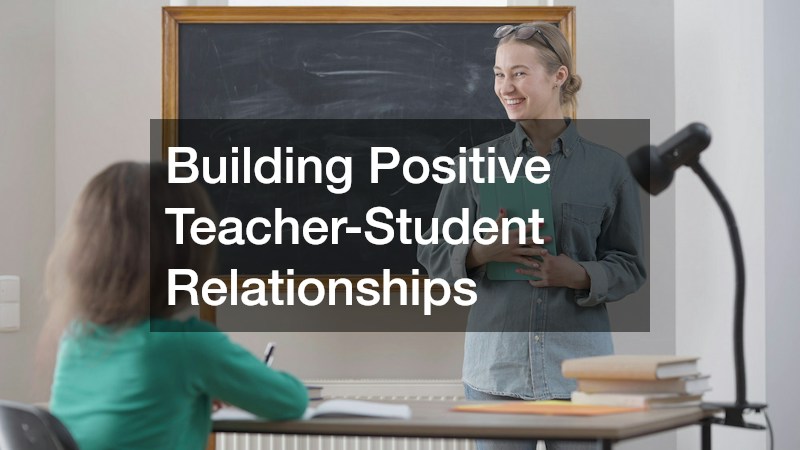
Teachers play an important role in helping students navigate academic expectations and social changes. Approachable educators can encourage students to ask questions, discuss difficulties, and develop confidence in their abilities.
Depending on the school, students may receive support through teacher conferences, mentoring, extra-help sessions, or guidance counseling. These opportunities can help identify learning difficulties early and encourage students to take greater responsibility for their progress.
A supportive environment should also recognize that students develop at different rates. Constructive feedback and reasonable expectations can help them view mistakes as opportunities to learn rather than reasons to give up.
Encouraging Family Involvement
Communication between families and schools can help create consistency in a child’s educational experience. Parent-teacher meetings, progress reports, school events, and regular communication allow families to understand their child’s strengths and areas that need attention.
When parents and educators share relevant information, they can work together to address academic concerns, reinforce positive habits, and support personal development. The specific opportunities for involvement vary, but a cooperative relationship between home and school can help students feel supported throughout the school year.
Preparing Students for High School and Beyond
The transition from middle school to high school often brings more demanding assignments, greater independence, and new expectations for managing time. Students who develop effective learning habits early may find it easier to adapt to these changes.
Some private schools offer honors courses, accelerated subjects, enrichment programs, or other opportunities for students ready for additional academic challenges. These programs vary by institution and grade level, so families should review the actual curriculum when comparing schools.
Developing Study Skills and Time Management
Successful learning involves more than understanding classroom lessons. Students also need to plan assignments, organize materials, prepare for assessments, and balance academic responsibilities with other activities.
Middle school provides an opportunity to practice these habits before high school workloads increase. Teachers can help students learn to break larger assignments into manageable tasks, set realistic goals, review their work, and seek clarification when instructions are unclear.
These routines can encourage independence and reduce the stress associated with competing deadlines. Students gradually learn to monitor their own progress rather than relying entirely on reminders from adults.
Exploring Academic Interests
Exposure to a variety of subjects helps students discover what interests them. Science experiments, writing projects, creative assignments, technology activities, and classroom discussions can reveal strengths that students may not have recognized previously.
Some schools provide enrichment classes or specialized programs that allow learners to explore particular subjects in greater depth. These experiences can help students make more informed decisions about future courses and extracurricular activities.
Families evaluating schools should look at the quality and relevance of the available programs rather than assuming that every institution offers advanced classes or the same range of academic opportunities.
Encouraging Character Development and Leadership
Academic knowledge is important, but students also need interpersonal skills and a sense of responsibility. Middle school is an opportunity to practice honesty, empathy, cooperation, and respect while learning how individual actions affect others.
Schools can support this development through classroom expectations, group projects, service activities, student leadership opportunities, and discussions about responsible decision-making.
Practicing Responsibility and Ethical Decision-Making
Students gradually become more independent during the middle school years. They begin making more choices about how they use their time, approach schoolwork, and interact with peers.
Clear expectations and constructive guidance can help students understand the importance of accountability. When students are encouraged to consider different perspectives and reflect on the consequences of their decisions, they can develop stronger judgment and greater awareness of others.
These lessons are reinforced when teachers model respectful communication and apply school rules consistently. A positive school culture can help students practice responsible behavior in everyday situations.
Learning Through Teamwork and Leadership
Group assignments, clubs, sports, and student organizations can give students opportunities to collaborate toward shared goals. They learn to listen to others, communicate ideas, divide responsibilities, and resolve disagreements.
Leadership does not always mean holding a formal position. It can involve helping a classmate, organizing a group task, contributing an idea, or taking responsibility when a team encounters a problem.
These experiences help students understand that effective leadership requires cooperation, reliability, and respect. They also provide opportunities to build confidence in situations that differ from ordinary classroom lessons.
Developing Practical Skills Through Extracurricular Activities
Activities outside the core curriculum can broaden students’ experiences and help them discover new interests. Depending on the school, opportunities may include visual arts, music, drama, athletics, robotics, debate, coding, or community service.
Participating in these activities gives students opportunities to practice skills in different settings. A music program may encourage discipline and creative expression, while a team sport can teach cooperation and perseverance. A robotics project may require students to plan, test ideas, and solve technical problems.
Strengthening Communication and Problem-Solving
Practical activities encourage students to apply what they know rather than relying exclusively on textbook learning. Presentations, experiments, performances, and group challenges require them to communicate ideas and respond to feedback.
Students may also learn to adapt when a plan does not work as expected. Identifying a problem, testing possible solutions, and reflecting on the result can strengthen their ability to approach unfamiliar tasks.
These skills are useful across subjects and everyday situations. Their development depends on the quality of the activity, the guidance students receive, and how actively they participate.
Building Cultural Awareness and Broader Perspectives
Exposure to different cultures, experiences, and viewpoints can help students become more thoughtful and open-minded. Schools may encourage this through literature, history lessons, language programs, cultural events, collaborative projects, or community engagement.
Students can learn to consider perspectives different from their own while developing respect for others. Such experiences are increasingly valuable in classrooms and communities where people have varied backgrounds and experiences.
Not every school offers international exchanges or global projects, so families interested in these opportunities should check which programs are actually available.
How Families Can Choose the Right School
Choosing a school involves considering a child’s learning needs, interests, personality, and long-term goals. A school’s reputation alone may not reveal whether its environment and teaching approach are the right fit for a particular student.
Families comparing options can review several important factors:
- Curriculum and teaching approach: Look for a clear academic program that balances core subjects with opportunities for exploration.
- Classroom environment: Ask how teachers support different learning needs and encourage participation.
- Student support: Find out what academic advising, counseling, tutoring, or additional learning services are available.
- Extracurricular activities: Review the clubs, sports, arts programs, and enrichment opportunities offered at the relevant grade level.
- School culture: Consider how the school promotes respect, inclusion, responsibility, and positive relationships.
- Communication with families: Ask how teachers share progress updates and work with parents to address concerns.
- Tuition and additional expenses: Review the current fee schedule and ask about other costs, payment arrangements, and financial assistance where available.
A campus visit can also help families understand the school’s atmosphere. Speaking with admissions staff and asking specific questions about a child’s interests or learning needs can make the comparison more meaningful.
Conclusion
The middle school years provide an important opportunity for students to build academic foundations, develop independent learning habits, and discover their strengths. A supportive school environment can help them become more confident learners while encouraging collaboration, responsibility, creativity, and problem-solving.
Private middle schools vary in their teaching approaches, resources, and extracurricular programs, so families should evaluate each institution carefully. By considering academic quality, student support, school culture, available activities, and affordability, parents can make a more informed decision about the environment that best supports their child’s development.
The most valuable educational experience is one that challenges students appropriately, recognizes their individual needs, and helps them grow both inside and outside the classroom.
[Retain the existing closing image and its current source URL: https://s3.amazonaws.com/xet/1639_3592_773078_1.jpg]