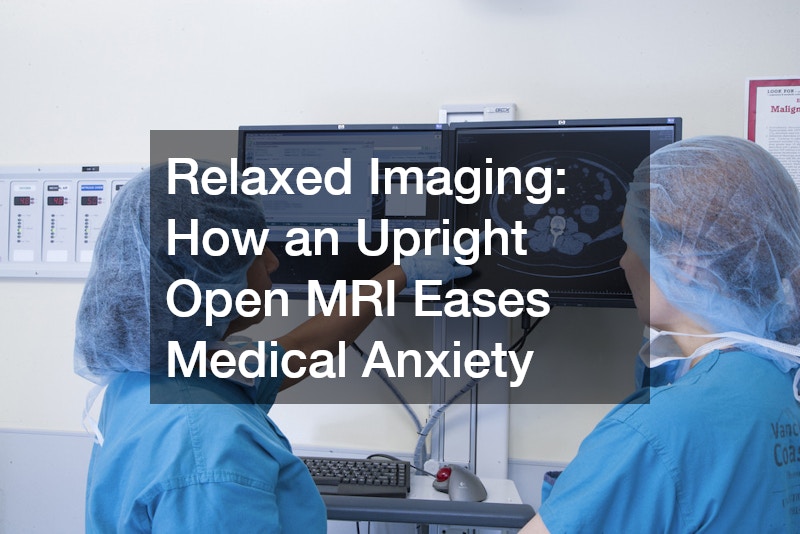
Relaxed Imaging How an Upright Open MRI Eases Medical Anxiety

In the realm of medical diagnostics, magnetic resonance imaging (MRI) stands out as a vital tool. However, the conventional MRI machine, known for its enclosed, tunnel-like structure, often evokes anxiety in patients. The emergence of the upright open MRI presents a significant advancement, offering a serene and accommodating alternative. This article delves into how the upright open MRI alleviates anxiety and what it means for patient comfort and diagnostic efficiency.
As advancements continue in medical imaging, understanding these technologies becomes pivotal for both clinicians and patients alike.
Anxiety of Traditional MRI
Conventional MRI procedures can be daunting, especially for individuals prone to claustrophobia. The feeling of confinement in a small, enclosed space can trigger a panic response, making the experience distressing. Furthermore, the noise produced by the machine during scanning adds to the discomfort, disrupting the tranquility needed during a medical evaluation. Consequently, some patients may defer essential diagnostic procedures, impacting timely medical interventions. The upright open MRI, however, offers a new paradigm by reducing this sense of enclosure.
Traditional MRI scans require patients to lie in a horizontal position, fully encased by the machine. Holding still is crucial to obtaining accurate results, which can be challenging when stress levels are heightened. As the machine operates, patients are often left in silence, grappling with their fears without adequate distraction or guidance. This environment lacks the patient-centric approach necessary for modern healthcare, prompting the need for alternatives. The upright open MRI addresses such challenges head-on.
Patient feedback has revealed that anxiety levels significantly decrease with the use of more open and accommodating imaging machinery. With an upright open MRI, individuals are scanned in a seated or slightly reclined position, allowing for a reassuring view of their surroundings. This new posture combined with an unobstructed field of view diminishes feelings of claustrophobia, fostering a more relaxed atmosphere. Such developments highlight an ongoing shift towards enhancing patient experiences without compromising on diagnostic accuracy.
Benefits of an Upright Open MRI
The benefits of an upright open MRI extend beyond ameliorating fears associated with traditional scanning methods. One significant advantage is its ability to accommodate larger patients comfortably, addressing an issue present in conventional MRI designs. This inclusion ensures that medical diagnostics are accessible to a more diverse patient population, promoting equity in healthcare delivery. Furthermore, the adaptability of the upright open MRI allows for dynamic positional imaging, crucial for evaluating conditions influenced by posture. Increasing the familiarity of such technology could transform patient outcomes in profound ways.
Dynamic imaging is a game-changer in diagnosing spinal conditions, where conventional MRI machines fall short. By allowing scans to be conducted while a patient is upright, it captures images that reflect the natural position of the spine, offering nuanced insights into spinal health. This approach grants physicians a comprehensive understanding of conditions such as herniated discs or spinal stenosis during load-bearing postures. As a result, it enables precise diagnosis and informs tailored treatment plans, ultimately enhancing the quality of patient care.
Moreover, these innovations in MRI technology can serve as a beacon of hope for individuals with anxiety disorders. The comfortable and open environment can reduce reliance on sedatives or anesthesia, which are sometimes necessary for calming patients undergoing traditional MRI scans. This shift represents a movement towards non-invasive and patient-centric care in medical imaging practices. As medical establishments strive to improve patient experiences, the adoption of upright open MRI systems signifies a significant leap forward.
Implications for Medical Practice and Patient Care
The integration of upright open MRI technology into medical practice presents substantial implications for patient well-being. By mitigating anxiety and enhancing comfort, these machines can potentially increase patient compliance with prescribed imaging studies. This improved compliance is crucial, as it ensures timely and accurate diagnostic processes, directly impacting treatment outcomes. Furthermore, the reduced need for sedatives aligns with a growing preference for non-pharmacological interventions in healthcare. As these technologies become more prevalent, they herald a new era in patient-centered care.
Healthcare practitioners can leverage the unique capabilities of the upright open MRI to optimize diagnostic strategies. The machine’s versatility encourages a more comprehensive evaluation of physiological changes, particularly in orthopedics and neurology. By accommodating a variety of patient positions, it enables an unprecedented examination of biomechanical effects, providing a more complete picture of patient health. This comprehensive approach can lead to earlier detection of disorders and facilitate proactive management, ultimately improving health outcomes.
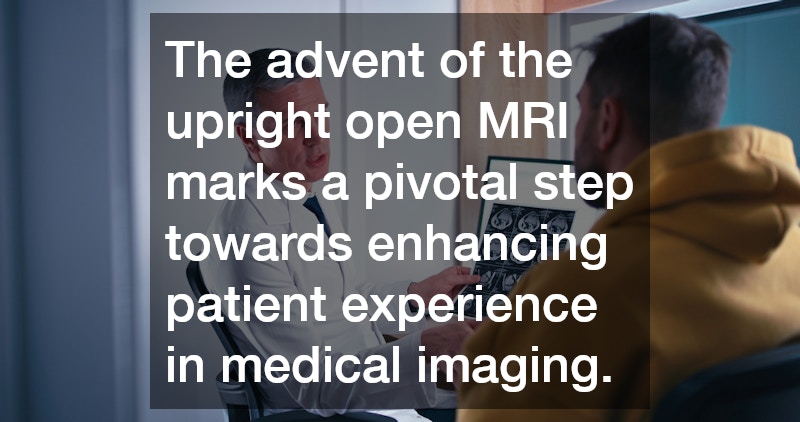
The advent of the upright open MRI marks a pivotal step towards enhancing patient experience in medical imaging. Its design alleviates the anxiety associated with conventional MRI procedures, ultimately fostering a setting that prioritizes patient comfort and care. As the healthcare industry continues to innovate, it is imperative to embrace technologies that resonate with patient needs while maintaining diagnostic integrity. Through promoting a relaxed imaging environment, upright open MRIs stand to transform the landscape of medical diagnostics profoundly. Moving forward, embracing such advancements will be crucial in delivering patient-centered healthcare solutions.