
The Benefits of Hiring a Local Dumpster Rental Company
Whether you are finally tackling that long-overdue home renovation, embarking on a massive spring-cleaning operation in your garage, or managing a complex construction site, there is one universal reality: debris piles up infinitely faster than you anticipate. It is completely valid to feel a sense of overwhelm when you are surrounded by a chaotic, cluttered workspace. The physical toll of tearing out drywall or sorting through decades of stored belongings is demanding enough, but the mental burden of figuring out where all the waste is going to go can easily stall a project before it even truly begins.
Haphazardly throwing loose items into the back of a personal pickup truck and making multiple trips to the landfill is a common mistake. It is highly inefficient, significantly more expensive when you factor in fuel and individual tipping fees, and physically exhausting. You are essentially doing the labor twice—once to load the truck, and once to unload it at the dump. Ground yourself in the reality that a streamlined, highly coordinated waste strategy is just as crucial as the renovation or cleanout project itself. If the waste has nowhere to go, your progress halts.
This guide is designed to serve as your comprehensive roadmap for efficient waste management. Over the following sections, we will break down precise, actionable steps to handle your project’s waste efficiently. From accurately estimating the size of your load and protecting your physical property to navigating complex local regulations and keeping your budget strictly in check, this itinerary will ensure you keep your project moving forward without unnecessary stress or hidden costs.
Assess Your Project Scope Early

The most critical phase of any cleanout or renovation happens before a single hammer is swung or a single box is thrown away. You must objectively evaluate exactly what you are getting rid of. Failing to accurately assess the scope of your project leads to undersized containers requiring multiple expensive swap-outs, or oversized containers that leave you paying for empty air. Taking the time to properly measure and weigh your expectations will save you hundreds of dollars and significant logistical headaches.
Estimate Your Waste Volume Accurately
Visualizing waste volume is notoriously difficult for people outside of the waste management industry. Trash and debris are measured in cubic yards, which can be an abstract concept when you are staring at a pile of broken cabinets.
-
Visualize the Space: A single cubic yard is roughly equivalent to the size of a standard kitchen stove or a standard washing machine. Therefore, a 10-yard container can hold about ten kitchen stoves’ worth of material.
-
Compare to Pickup Trucks: Another helpful metric is the bed of a standard pickup truck. A 10-yard container holds roughly three to four pickup truck loads. A 20-yard container holds roughly six to eight, and a 30-yard container holds nine to twelve.
-
Consult the Experts: Overestimating is almost always financially safer than underestimating. If you fill a small container and still have a quarter of your project left, the cost to order a second container will far exceed the cost of just renting the next size up initially. By reaching out to a local dumpster rental company, you have the distinct advantage of describing your specific project to a representative who understands the typical output of regional housing styles and can confidently recommend the correct size based on historical data from your exact neighborhood.
Factor in the Weight of Your Debris
Volume is only half of the equation; weight is the often-overlooked metric that can completely derail your waste management budget. Containers have strict weight limits dictated by the physical lifting capacity of the trucks and the Department of Transportation’s road weight regulations.
-
Bulky vs. Heavy Materials: You must differentiate between bulky waste and heavy waste. Bulky waste, like old couches, cardboard boxes, and hollow interior doors, takes up massive amounts of cubic volume but weighs very little. Heavy waste, such as roofing shingles, dirt, concrete, plaster, and ceramic floor tiles, takes up very little volume but will max out a weight limit rapidly.
-
Understand the Tonnage: It is a common misconception that you can fill a container to the brim regardless of what is inside. If you are doing a roof tear-off, you might only be able to fill a container a quarter of the way up before it becomes too heavy for the truck to legally transport. This is why standard dumpster rentals are almost always priced by tonnage allowances rather than just physical volume. You must communicate the exact nature of your debris to your provider so they can align the physical size of the container with the appropriate weight limit.
Leverage Proximity for Faster Support
Construction and cleanout projects are incredibly fluid. Timelines shift due to sudden inclement weather, delayed material deliveries, or contractors running behind schedule. You need a waste management solution that can pivot alongside you.
-
Same-Day Solutions: When your project timeline shifts, proximity becomes your most valuable asset. Neighborhood-based providers operate within a tight geographical radius. If your demo crew works twice as fast as expected and fills the container by noon on a Tuesday, a nearby dispatch office can often send a driver to swap out the full container for an empty one on the very same day.
-
Weathering the Storm: Local providers also understand the specific micro-climates and weather challenges of your area. If a sudden regional storm is approaching, they are much more agile in retrieving containers early or advising you on how to secure your specific site, a level of personalized operational support you rarely find with massive national call centers.
Streamline Your Operational Timeline

Once you have correctly sized your waste management needs, the focus shifts to logistics. How and when the container arrives dictates the flow of your entire project. Poor coordination can lead to idle contractors, blocked driveways, and massive inefficiencies. Mastering your operational timeline ensures that your worksite remains safe, organized, and continuously productive.
Coordinate Delivery and Pickup Windows Tightly
Timing is everything. If your container arrives late, your entire weekend or your contractor’s schedule is instantly compromised. Alternatively, if it sits in your driveway for weeks after the project is done, it becomes an eyesore and a liability.
-
The “Day Before” Strategy: The most effective scheduling tactic is to have the container delivered the afternoon before your demo crew or your weekend volunteer helpers are scheduled to arrive. This guarantees that when the labor force is ready to start tearing things down or dragging things out, the primary waste receptacle is already firmly in place. Nobody is standing around waiting, and you aren’t forced to pile debris on the lawn temporarily.
-
Capitalize on Local Knowledge: Utilizing local dumpster rentals minimizes transit delays significantly. Because the dispatchers and drivers operate within your specific community, they are intimately familiar with the area’s traffic patterns, school zone hours, and road closures. This hyper-local knowledge makes their delivery windows vastly more reliable than drivers who are navigating your municipality for the first time via a GPS.
Designate a Clear Staging Area
A staging area is a designated zone where you temporarily pile debris before moving it into the main container. While the goal is to load debris directly, the reality of navigating tight hallways or stairs means you will often need a waypoint.
-
Prevent Double-Handling: The goal of a staging area is to minimize the distance you carry heavy items. If your container is in the driveway, your staging area should be the garage or the porch. This prevents the exhausting process of carrying a heavy vanity down the stairs, putting it down in the grass, and then having to pick it up again hours later to throw it away.
-
Measure Your Clearances: You must also ensure that the area around your staging zone and the ultimate drop zone is completely clear. Large, open-top roll off dumpsters require significant operational clearance. The delivery truck needs upwards of fifty feet of straight clearance to back in, and up to twenty-five feet of vertical clearance to safely raise the rails and deploy the container without snagging power lines or low-hanging tree branches.
Load from the Front to the Back
Do not simply start throwing items over the side walls of the container. Haphazard loading creates massive, hollow air pockets that eat up your usable volume, forcing you to pay for a second container unnecessarily. You must treat loading like a game of Tetris.
-
Utilize the Swinging Door: Most large containers feature a swinging back door. Unlatch this door and walk your heaviest, most cumbersome items—like appliances, bathtubs, or intact furniture—directly into the container.
-
Build a Solid Base: Place these large, flat items on the very bottom to build a solid, dense base layer.
-
Eliminate Air Pockets: Once the base is built and you can no longer walk inside, close and latch the rear door. From there, begin throwing smaller debris over the sides, aiming for the front of the container (the end closest to the truck cab) and working your way back. Use long, heavy items like 2x4s or metal pipes to actively crush down hollow items like cardboard boxes or drywall sheets, effectively eliminating air pockets and maximizing every square inch of space.
Protect Your Property and Environment
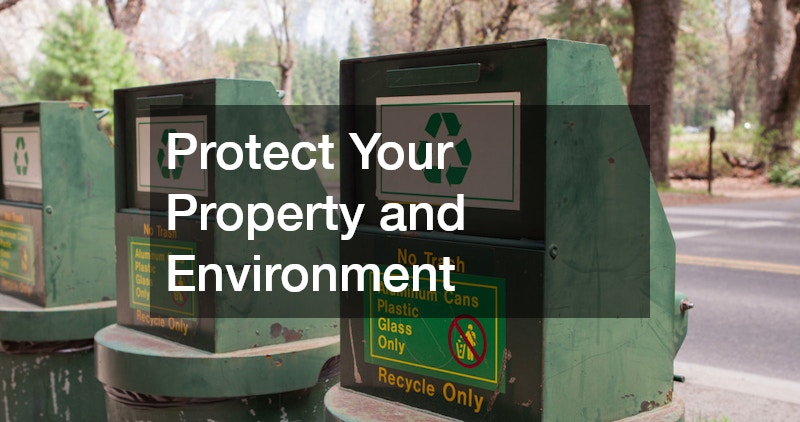
A successful cleanout project improves your home; it does not damage it. Large steel containers are essentially heavy industrial equipment, and if you do not take proactive measures to protect your property and adhere to environmental safety standards, the collateral damage will be severe and costly.
Lay Down Protective Plywood on Your Driveway
Your driveway is not designed to handle the point-load stress of industrial steel wheels. A container that weighs two tons empty can easily weigh six to eight tons once loaded with construction debris.
-
Understand the Physics: When the delivery truck drops the container, the entire weight rests on four small steel wheels or heavy steel rails. This massive amount of weight concentrated on a tiny surface area will instantly crack concrete, create deep permanent divots in asphalt, or completely destroy paver stones.
-
The Plywood Shield: You must never allow the metal wheels to touch your bare driveway. Before the truck arrives, purchase three or four sheets of thick, 3/4-inch exterior-grade plywood. Instruct the driver to place the wheels directly onto the center of these wooden planks. The plywood acts as a dispersant, taking the thousands of pounds of pressure from the steel wheels and spreading it evenly across the larger surface area of the wood, completely protecting your driveway from gouges and stress fractures. Recognizing that a heavy-duty roll off dumpster rental is a piece of heavy machinery is your first line of defense in property protection.
Segregate Hazardous Materials Immediately
Not everything can go to the landfill. Environmental Protection Agency (EPA) regulations strictly prohibit the disposal of highly volatile, toxic, or hazardous materials in standard municipal waste streams.
-
Create a Quarantine Zone: Set up a clearly marked box or a separate corner of your garage specifically for hazardous items you uncover during your cleanout. This prevents well-meaning helpers from accidentally throwing them into the main container.
-
Identify the Contaminants: Items that are strictly prohibited include wet paint, motor oil, transmission fluid, industrial solvents, pesticides, lithium-ion batteries, tires, and appliances containing Freon (like refrigerators or window AC units).
-
Navigate Legal Disposal: If these items are found in your container at the landfill, you will face severe contamination fines and the provider may outright reject the load, forcing you to empty it manually. Instead, look up your municipality’s specific rules for hazardous garbage collection days. Most cities have a dedicated drop-off center or a specific calendar day where they safely collect and process these volatile chemicals at no extra charge to the resident.
Cover Your Container During Rainstorms
Water is the silent enemy of your waste management budget. If you are disposing of highly absorbent materials, a single heavy rainstorm can ruin your financial planning.
-
The Threat of Water Weight: Materials like old mattresses, plush furniture, carpeting, and exposed drywall act like massive sponges. If it rains, these materials will absorb hundreds of pounds of water. Because you are billed based on the total weight of the container at the landfill scale, paying for soaked debris means you are literally paying to throw away rainwater.
-
The Tarp Solution: Always check the weather forecast. If rain or heavy snow is predicted, buy a large, inexpensive heavy-duty tarp and a pack of bungee cords. At the end of the workday, securely cover the top of the container. This simple, twenty-dollar preventative measure can save you hundreds of dollars in unexpected overweight fees at the scale.
Navigate Regulations and Permits Successfully
Waste management is heavily regulated by local governments and community organizations to ensure public safety, structural integrity of roadways, and neighborhood aesthetics. Ignoring these bureaucratic hurdles will result in steep fines, project shutdowns, and severely strained relationships with your neighbors.
Verify Street Placement Ordinances with Your Municipality
Not every property has a driveway suitable for a large container. If your driveway is too short, features a steep incline, or is structurally compromised, you will have no choice but to place the container on the public street.
-
The Right-of-Way Permit: The moment you place a massive steel box on public asphalt, you are obstructing the public right-of-way. Almost all cities and townships require a specific permit for this. You must contact your local public works department or city hall at least five to seven business days in advance to secure the necessary paperwork and pay the required fees.
-
Leverage Local Expertise: Navigating municipal bureaucracy is frustrating. However, when you partner with neighborhood-based dumpster rental companies, you gain an advocate. Because these local businesses operate in your specific town daily, they already know the exact ordinances, the specific forms required, and often have direct lines of communication to the permitting office. In many cases, a local provider will either pull the permit on your behalf as part of their service or give you the exact phone number and extension to call, streamlining the process significantly.
Check HOA Guidelines Before Booking
If you live in a community governed by a Homeowner’s Association (HOA), municipal law is not your only concern. HOAs have notoriously strict bylaws regarding external property modifications and temporary structures.
-
Review the Bylaws: Before you book anything, read your HOA handbook. Many associations strictly dictate how many days a container can sit in a driveway, what specific colors are acceptable, or whether the container can be visible from the street at all. Some associations ban them entirely on weekends.
-
The “Load and Go” Alternative: If your HOA rules are aggressively strict, communicate this to your provider immediately. A dedicated roll off dumpster service can usually accommodate tight, strictly enforced schedules. They can often provide a “load and go” or “live load” option, where the driver backs the container into your driveway and physically waits in the truck for an hour or two while your crew frantically loads the debris, pulling the container away immediately without it ever sitting overnight and triggering an HOA violation.
Mark the Placement Area Clearly
Whether the container is going on your driveway or the street, do not leave the exact placement up to the driver’s imagination. Misplacement can block your garage doors, kill your landscaping, or impede pedestrian traffic.
-
Visual Indicators: Use brightly colored traffic cones, a highly visible piece of caution tape, or even a couple of lawn chairs to clearly and physically mark exactly where you want the container’s rear doors to sit.
-
Communicate the Plan: When you place your initial order, give specific delivery instructions (e.g., “Place on the left side of the driveway, two feet away from the grass, flush with the garage line”). By physically marking the spot, you guarantee the driver drops the container safely and precisely where you need it, even if you are at work or unable to be physically present during the delivery window.
Maximize Your Budget with Transparent Pricing

The final pillar of a successful waste management strategy is strict financial control. The waste industry is notorious for opaque pricing models that lure customers in with low base rates, only to crush them with hidden fees on the back end. Protecting your budget requires vigilance, the right questions, and strategic loading habits.
Request a Fully Itemized Quote
Never accept a flat, generalized rate over the phone without understanding exactly what that rate includes. A quote that seems drastically cheaper than the competition is usually hiding essential costs.
-
Break Down the Costs: When you call for pricing, demand a fully itemized quote. You need to know the specific cost for delivery, the cost for pickup, the daily rental rate for the physical container, and exactly how many tons of debris are included in the base price. Furthermore, ask explicitly about mandatory landfill tipping fees and environmental taxes.
-
Demand Transparency: You want to ensure you are comparing apples to apples across different quotes. Reputable dumpster services will clearly and proudly outline their entire fee structure in writing before you provide a credit card, ensuring you are not blindsided by hidden fuel surcharges, administrative fees, or regional environmental taxes on your final invoice.
Ask About Overage Charges Upfront
No matter how accurately you estimate your volume and weight, projects inevitably grow. You might decide to tear down an extra wall, or realize the subfloor needs to be ripped out as well. You must know the financial penalty for exceeding your initial parameters.
-
Weight Overages: Find out exactly what the company charges per ton if you go over your allotted weight limit. Is it prorated by the pound, or do they charge a flat fee for the next full ton regardless of whether you are ten pounds or two thousand pounds over?
-
Time Overages: Understand the daily rate if your project runs long. If you booked the container for seven days but your contractor gets sick and you need it for ten, what is the exact cost per extra day? Negotiating and understanding these terms beforehand is a primary benefit of utilizing local roll off dumpster services, as they frequently offer more flexible, transparent pricing models and are more willing to grant a one or two-day grace period for community members than rigid, inflexible national brokerages.
Consolidate Your Waste to Save Space
The most effective way to protect your budget is to maximize the space you have already paid for. Lazy loading habits directly result in paying for a second container.
-
Break Everything Down: Make it a strict rule on your job site that no hollow objects go into the container intact. Every single cardboard box must be sliced with a box cutter and flattened perfectly. Old dressers or cabinets should be smashed with a sledgehammer and dismantled into flat planks before being tossed in.
-
Fill the Voids: Look for empty spaces. If you threw a bathtub into the container, do not leave the inside of the tub empty; fill the basin with heavy, dense materials like broken tile or plaster. By aggressively consolidating your waste and flattening every piece of debris, you maximize the cubic space, prevent air pockets, and ensure you get the absolute maximum value out of your single rental fee.
Conclusion
Successfully managing the debris of a major cleanout or renovation does not have to be an anxiety-inducing ordeal. By shifting your mindset and treating waste removal as a highly strategic component of your overall project, you instantly regain control over your timeline, your property, and your budget. The actionable steps outlined in this guide—from meticulously estimating your required capacity and laying down protective plywood, to strictly avoiding hazardous materials and dismantling furniture to save space—are designed to transform a potentially chaotic cleanup into a smooth, highly manageable logistical operation.
The ultimate goal of proper planning is to secure peace of mind. Managing waste should never be the hardest or most stressful part of upgrading your home or clearing out your property. Having a solid, transparent logistical plan in place allows you to focus your mental and physical energy entirely on the actual, rewarding work of your renovation or organizational project.
Do not wait until the debris is piled up to the ceiling to figure out your exit strategy. Take out a tape measure to evaluate your driveway’s staging area, jot down a realistic inventory of the heaviest items you plan to discard, and start reaching out to neighborhood providers today to secure your timeline and keep your project moving flawlessly.