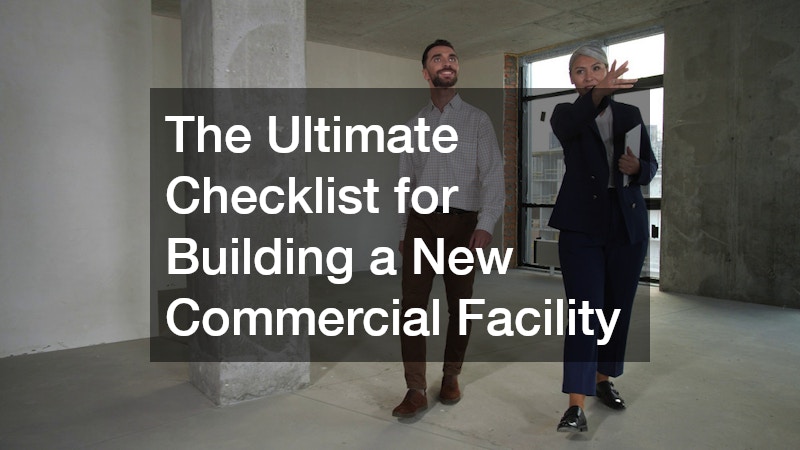
The Ultimate Checklist for Building a New Commercial Facility
Building a commercial facility from the ground up is an incredibly complex undertaking that requires far more than just a solid budget and a plot of vacant land. It demands meticulous logistical planning, a deep understanding of structural sequencing, and the ability to manage dozens of moving parts simultaneously. When transitioning from beautiful architectural blueprints to a fully functional industrial, retail, or corporate space, investors and developers often encounter a minefield of logistical challenges, supply chain delays, and rigid regulatory requirements. Acknowledging this reality is the first step toward a successful build.
In the world of large-scale development, sequencing is everything. Construction is essentially a massive chain reaction. If the site is not prepped correctly, the foundation pouring will be delayed. If the foundation is delayed, the structural framing is pushed back, which in turn halts the installation of the exterior enclosure. Every single day a project sits idle, capital is burned through extended equipment rentals, labor standbys, and delayed operational revenue. Treating each phase as an isolated event is a strategic mistake; you must view the project as an interconnected ecosystem.
This comprehensive guide is designed to provide you with a phase-by-phase checklist to help facility managers, real estate investors, and business owners navigate the rigorous construction process. By understanding the precise order of operations and knowing exactly what to demand from your specialized subcontractors, you can ensure no critical step is overlooked. This deep dive will equip you with the knowledge to maintain strict quality control, hit your targeted deadlines, and successfully open your doors for business.
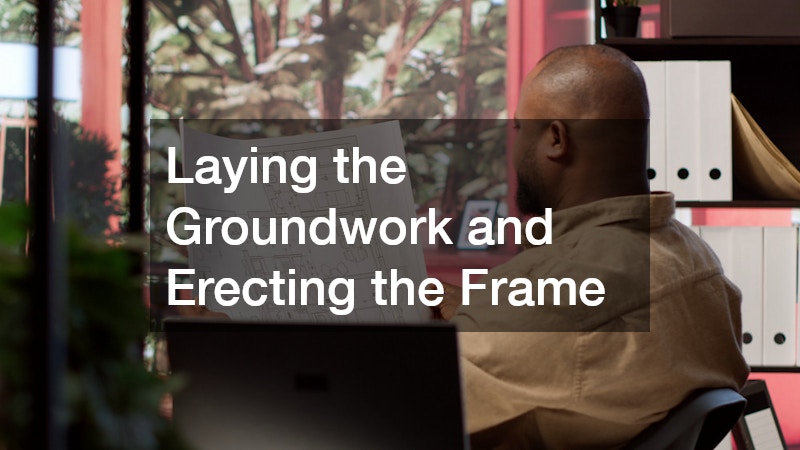
Laying the Groundwork and Erecting the Frame
The initial phases of construction are often the most stressful because they dictate the structural integrity of the entire project. Before a single steel beam goes into the air, the earth beneath it must be perfectly engineered. If you compromise on the groundwork, every subsequent phase will suffer from alignment issues, settling, and potential structural failure.
Test and Prepare the Soil Before Pouring
Before heavy machinery arrives on site, the invisible characteristics of the land must be mapped out and understood. Soil is not a uniform material; its composition changes drastically depending on the region, historical land use, and natural water tables.
-
Execute comprehensive geotechnical surveys: Do not rely on historical data or neighboring property reports. You must commission a dedicated geotechnical engineering firm to take deep soil borings across your specific footprint. They will analyze the soil’s load-bearing capacity, its expansion and contraction rates when exposed to moisture, and the exact depth of the bedrock.
-
Manage the water table: If the water table is high, you must engineer a dewatering plan. This might involve installing deep wells or perimeter trench drains to artificially lower the groundwater level during the excavation and pouring phases. Ignoring this can lead to a flooded excavation pit and a compromised foundation base.
-
Perform precise grading and compaction: Once the topsoil is stripped, the subgrade must be engineered. Heavy rollers and compactors must vibrate the earth to a specific density, usually measured by a Proctor compaction test. If the soil is too loose, the immense weight of your finished building will cause uneven settling, leading to cracked walls and jammed doors.
Establish a Flawless, High-Load Foundation
The foundation of a large-scale facility is drastically different from a standard residential slab. It must bear the static weight of the building itself, plus the dynamic loads of moving forklifts, vibrating manufacturing equipment, and stacked inventory.
-
Specify the correct concrete mix: Industrial floors require a high compressive strength, often exceeding 4,000 PSI. The mix must be carefully calibrated with the right ratio of water, cement, and aggregate to prevent shrinking and curling as it cures.
-
Implement heavy-duty reinforcement: Depending on the engineering specifications, the slab will require an intricate grid of epoxy-coated rebar, post-tensioning cables, or steel fibers mixed directly into the concrete. This reinforcement provides the tensile strength needed to prevent the slab from snapping under pressure.
-
Vetting your foundation team: The logistics of pouring a massive industrial slab require precision timing and a massive workforce. You must thoroughly vet the commercial concrete contractors you hire, ensuring they have a proven track record of executing continuous, large-volume pours. They must possess the laser-screed technology necessary to achieve an absolutely flat floor, which is a strict requirement for high-reach forklifts to operate safely without tipping.
Coordinate Heavy Lifting for Structural Steel
Once the foundation is cured and load-bearing, the skeleton of the building goes up. This phase transforms the project from a flat pad into a recognizable structure, but it introduces extreme safety risks and logistical hurdles.
-
Establish clear site accessibility: Before the steel arrives, the site must be prepped for heavy traffic. The ground surrounding the foundation must be stabilized to support the massive outriggers of lifting equipment. If the ground is soft, heavy steel plates must be laid down to distribute the weight.
-
Sequence the steel delivery: You cannot have all the steel delivered at once if you do not have the space to lay it out safely. The delivery must be sequenced so that the columns and beams arrive exactly when they are needed, minimizing the risk of damage or accidents on a cluttered site.
-
Schedule specialized lifting equipment: Erecting a massive steel frame requires more than just manpower. You must schedule commercial crane companies months in advance to ensure the right equipment is available. The operators will carefully hoist massive steel I-beams, trusses, and precast concrete wall panels into precise positions, allowing the ironworkers to bolt and weld the skeleton together safely and efficiently.
Sealing the Building Envelope and Loading Zones
Once the structural skeleton is erected, the race is on to get the building “dried in.” This means sealing the exterior envelope against rain, wind, and extreme temperatures. Until the building is completely weather-tight, delicate interior work—such as electrical wiring, drywall installation, and HVAC ducting—cannot begin.
Prioritize Weatherproofing at the Highest Point
The roof is your facility’s primary defense against the elements. In large-scale industrial or retail builds, the roof is typically a massive, flat expanse that requires specialized materials and highly trained installers to prevent pooling water and thermal leaks.
-
Select energy-efficient membrane materials: Modern flat roofs generally utilize single-ply membranes like TPO (Thermoplastic Polyolefin) or EPDM (Ethylene Propylene Diene Terpolymer). TPO is highly reflective, bouncing UV rays away from the building and significantly reducing summer cooling costs.
-
Engineer positive drainage: A “flat” roof is never actually flat. It must be engineered with a subtle slope—usually achieved through tapered insulation boards beneath the membrane—to direct rainwater toward internal drains or perimeter scuppers. Standing water is the enemy of any roof system.
-
Hire specialized installers: The seams between the massive rolls of roofing membrane must be heat-welded or chemically adhered to create a monolithic, watertight surface. Hiring a dedicated commercial roof service is essential here, as their specialized technicians understand how to properly flash around HVAC curbs, skylights, and vent pipes, preventing devastating moisture intrusion that could halt interior progress.
Optimize Logistics with Proper Loading Bay Dimensions
For any facility handling physical goods, the loading dock is the beating heart of the operation. If the loading bays are poorly designed, your supply chain will suffer from constant bottlenecks, damaged goods, and safety hazards.
-
Calculate exact dock heights and leveling: Standard semi-trailers have varying bed heights. Your loading docks must be built to accommodate these variations. Installing hydraulic dock levelers ensures a smooth, safe transition for forklifts moving from the warehouse floor into the back of a truck.
-
Ensure adequate turning radii: The exterior apron leading up to the docks must provide enough space for a 53-foot trailer to back in seamlessly. If the turning radius is too tight, drivers will struggle to dock, leading to property damage and delayed shipments.
-
Maintain internal climate control: When a truck is not docked, a massive hole is left in your building’s envelope, letting out expensive heated or cooled air. Installing a high-speed, insulated commercial garage door at every bay is vital. These robust doors open and close in seconds, maintaining your internal climate control, keeping pests out, and securing valuable inventory overnight.
Insulate and Waterproof the Exterior Walls
The exterior walls must do more than just hold up the roof; they must actively regulate the interior environment and prevent moisture from migrating into the wall cavities.
-
Apply continuous exterior insulation: To meet strict modern energy codes and reduce long-term operational costs, facilities utilize continuous rigid insulation on the outside of the framing. This eliminates “thermal bridging,” where heat escapes through the steel or wood studs.
-
Install seamless vapor barriers: Before the final facade (whether it is brick, metal panels, or stucco) is applied, the entire building must be wrapped in a high-quality weather-resistant barrier. This membrane allows interior moisture to escape while blocking exterior rain and wind from penetrating the structure.
Establishing Perimeter Security and Controlled Access
A state-of-the-art facility is a prime target for theft, vandalism, and unauthorized access. Security cannot be an afterthought; it must be baked into the site design from the very beginning. Establishing a hard perimeter protects your raw building materials during the final phases of construction and secures your operational assets for decades to come.
Define the Property Line with Deterrent Boundaries
Before you install valuable exterior equipment like generators or HVAC chillers, you must establish a physical boundary that deters opportunistic crime and clearly defines your property lines.
-
Review local zoning and compliance laws: Before erecting any physical barriers, you must consult municipal zoning codes. Many cities have strict regulations regarding boundary heights, material types, and required sightlines for traffic safety near intersections.
-
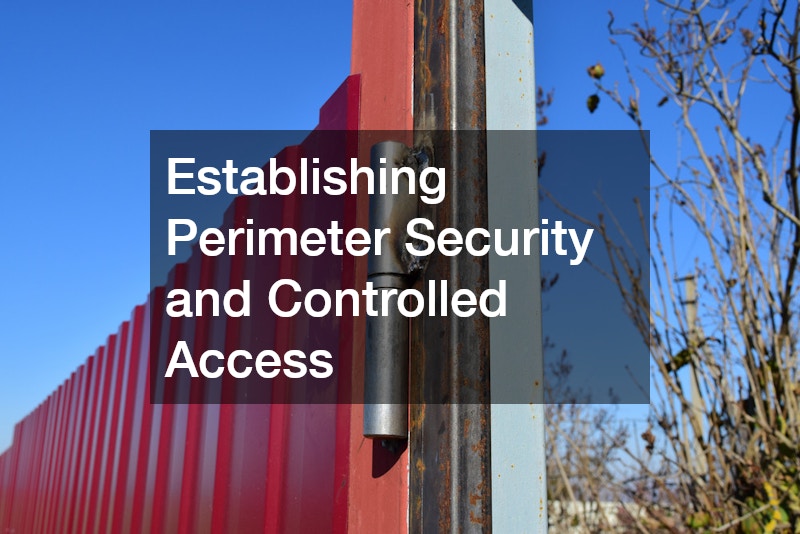
Choose the right barrier material: Depending on your security needs, you might opt for heavy-duty chain-link, welded wire mesh, or decorative steel palisade fencing. The material should offer visibility for security cameras while remaining highly resistant to cutting or climbing.
-
Bring professionals in early: Bringing in an experienced commercial fence installer early in the exterior finishing phase is a strategic move. A strong perimeter protects the site from overnight theft of copper wiring, heavy machinery, and expensive building materials before the facility is even officially open.
Automate and Secure Traffic Entry Points
Controlling who enters your facility—and how fast they can do it—is critical for both security and operational flow. You must separate heavy logistics traffic from everyday employee and visitor vehicles.
-
Designate distinct traffic lanes: Design your site layout so that heavy freight trucks use a dedicated entrance leading directly to the loading bays. Employee and visitor parking should have a separate entrance, keeping pedestrians and standard passenger vehicles far away from massive, turning semi-trucks.
-
Implement access control technology: Modern facilities do not rely on padlocks and chains. The integration of keypad, RFID, or biometric-triggered commercial security gates allows you to automate access. These systems log exactly who enters and exits the facility at all hours, providing an undeniable audit trail in the event of an incident.
-
Engineer for high cycle rates: Industrial entrances open and close hundreds of times a day. The motors and tracks must be rated for continuous, heavy-duty cycles to prevent breakdowns that could leave your facility wide open or trap delivery trucks outside.
Integrate Surveillance with Physical Barriers
Physical fences and gates only delay intruders; they do not catch them. To create a truly secure perimeter, your physical barriers must work in tandem with advanced surveillance technology.
-
Run conduit before paving: This is a critical, often-missed step. You must run all necessary electrical conduit and data cables out to the perimeter boundaries, gate stanchions, and light poles before the parking lot is paved. Failing to do this means you will have to tear up fresh asphalt later to install cameras and lighting, ruining the integrity of the surface.
-
Eliminate dark spots: Work with a security consultant to map out camera angles and LED floodlighting. Ensure there are no shadows or blind spots along the fence line, near the loading docks, or around employee entrances.
Designing Durable, High-Performance Interior Surfaces
With the exterior sealed and secured, the focus shifts inward. The floors of a commercial facility take more abuse than almost any other component. From the crushing weight of inventory to the constant friction of foot traffic and heavy machinery, selecting the correct interior surfaces is paramount to safety and longevity.
Specify High-Traction Solutions for Manufacturing Zones
The warehouse or manufacturing floor is a high-liability zone. Slips, trips, and falls are among the most common and costly workplace injuries. Your flooring must actively work to prevent them.
-
Meet strict OSHA requirements: Safety regulations dictate specific slip-resistance coefficients for industrial floors. You must also establish clearly marked, designated pedestrian walkways and hazardous machinery zones to keep your workforce safe.
-
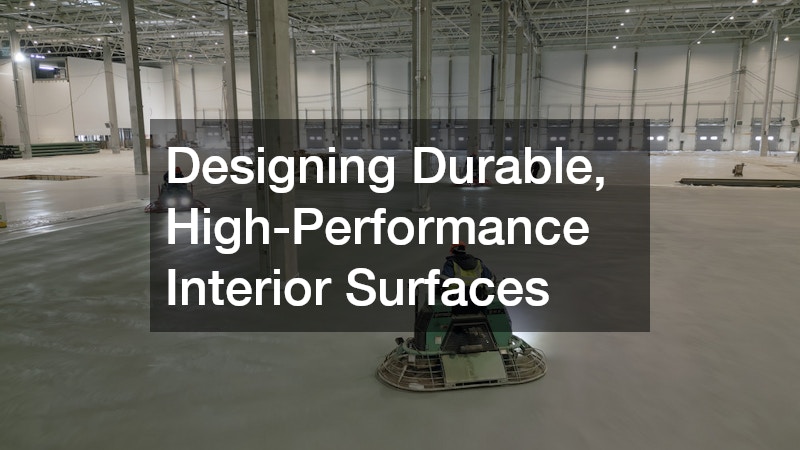
Opt for seamless, chemical-resistant finishes: Bare concrete generates dust, absorbs spilled oils, and degrades quickly under heavy use. Utilizing a specialized commercial epoxy floor coating service provides a seamless, non-porous surface. This protective layer is highly resistant to chemical spills, easily withstands the grinding weight of forklift tires, and can be customized with quartz or silica broadcast layers for maximum traction.
-
Incorporate permanent line striping: Instead of using tape that peels up within weeks, have your safety lines, staging zones, and pedestrian walkways permanently embedded into the resinous floor coating for long-lasting visual organization.
Select Ergonomic and Aesthetic Materials for Office Areas
The administrative wing of your facility requires a completely different approach. The flooring here must balance professional aesthetics, acoustic dampening, and employee comfort.
-
Contrast the needs of different zones: While the warehouse needs brutal durability, the lobby needs to impress clients, and the breakrooms need to be easy to clean.
-
Utilize modular and acoustic materials: For open-plan offices, acoustic carpet tiles are excellent for dampening echoing voices and footsteps. For high-traffic hallways and breakrooms, Luxury Vinyl Plank (LVP) offers the beautiful look of hardwood with extreme water and scratch resistance.
-
Partner with versatile installers: Ensure your administrative spaces look impeccable by partnering with a versatile commercial flooring company. They can handle the intricate transitions between different materials, ensuring flush seams that eliminate tripping hazards as employees move from the carpeted office to the resinous warehouse.
Plan for Subfloor Moisture Mitigation Early
One of the most catastrophic failures in interior finishing is flooring adhesive failure caused by subfloor moisture. Concrete acts like a dense sponge, and if it is not fully cured, it will slowly release water vapor upward.
-
Demand rigorous moisture testing: Never allow installers to lay down carpet, vinyl, or resinous coatings without performing certified moisture tests. They must use calcium chloride tests or drill Relative Humidity (RH) probes directly into the slab to measure the moisture trapped inside.
-
Apply vapor reduction barriers: If the concrete is reading too high for the adhesives to bond properly, you cannot simply wait weeks for it to dry and delay your opening. You must have a moisture mitigation primer—usually a specialized two-part epoxy—applied to the raw concrete to seal off the vapor transmission before the final flooring goes down.
Finalizing Metal Finishes and Post-Construction Cleanup
As the project nears the finish line, the focus shifts to longevity and presentation. The final 5% of a construction project is often the most tedious, involving a massive punch list of small details. However, this is the phase that protects your investment from premature aging and prepares the site for a flawless handover.
Protect Exposed Metal Fixtures from Rust and Corrosion
Commercial facilities utilize a massive amount of exposed metal, from exterior emergency staircases and roof-access ladders to interior handrails and exposed HVAC ductwork. If left unprotected, these elements will quickly succumb to rust, ruining the aesthetic and compromising structural safety.
-
Avoid standard liquid paints: Traditional liquid paint sits on the surface of the metal and is highly susceptible to chipping, scratching, and peeling, especially in high-traffic or harsh weather environments. Once the paint chips, moisture enters, and the metal begins to corrode.
-
Utilize thermoset polymer technology: For maximum durability, you should outsource the finishing of these specific metal components to commercial powder coating companies. This process involves applying a dry powder electrostatically, which is then baked in an industrial oven. The heat causes the powder to melt and form a thick, uniform, and incredibly tough skin that is vastly superior to liquid paint in its resistance to rust, UV fading, and chemical exposure.
Remove Heavy Construction Grime Prior to Handover
Construction is an inherently filthy process. Over the months of building, your brand-new facility will become coated in a thick layer of silica dust, dried mud, stray adhesive, and tire tracks. You cannot present a dirty building to an investor, nor can you move delicate inventory into a dusty space.
-
Set the standard for the final walk-through: The site must be immaculately clean before you sign the final acceptance documents. This means eradicating all traces of the construction process from the exterior hardscaping and the building facade.
-
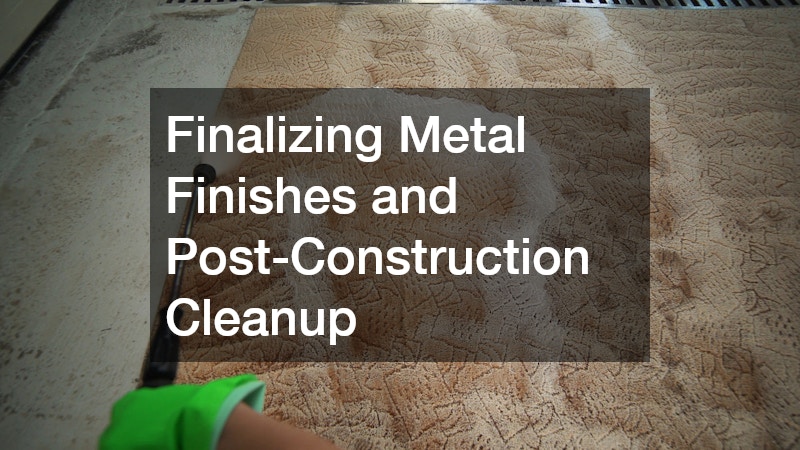
Employ heavy-duty cleaning equipment: Standard hoses and push brooms will not cut through baked-on construction grime. You must recommend hiring a heavy-duty commercial pressure washer service. Their technicians possess the high-PSI equipment and heated water systems necessary to blast away stubborn mud from the new concrete sidewalks, remove oil slicks from the loading pads, and gently wash construction dust off the exterior masonry and glass, giving the building a pristine, opening-day finish.
Schedule the Final Walkthrough and Certificate of Occupancy
The building is physically finished, but it is not yet legally yours to inhabit. The final bureaucratic hurdles are often the most stressful, as missing a single safety code can delay your grand opening by weeks.
-
Execute a rigorous punch list: Walk the entire facility with your general contractor, testing every light switch, flushing every commode, and inspecting every painted edge. Any defect, no matter how small, goes onto the final punch list to be corrected before final payment is released.
-
Pass the municipal safety inspections: You must schedule the local building inspector and the fire marshal to tour the facility. They will test the fire suppression sprinklers, verify the illuminated exit signs, and ensure all ADA compliance measures are perfectly executed.
-
Secure the legal documentation: Emphasize to your team that no business can legally operate, and no employees can occupy the building, until the official Certificate of Occupancy (CO) is firmly in your hand. This document is the ultimate proof that your new commercial facility is safe, compliant, and officially ready for business.
Building a facility is a marathon of details, requiring strict adherence to a chronological plan and an unwavering commitment to quality. From the initial soil tests deep in the earth to the final coat of protective finish on the exterior handrails, every phase relies entirely on the success of the phase before it.
The most expensive words in the construction industry are “change order.” Deciding to alter the floor plan, upgrade the electrical capacity, or change the loading dock dimensions after the concrete is poured will cost exponentially more than planning it perfectly on paper. By mapping out the perimeter, sealing the envelope flawlessly, and finalizing the heavy-duty finishes before breaking ground, you save your organization millions of dollars in delayed operations and structural redos.
Take control of your upcoming build. Use this detailed framework to start interviewing and vetting your specialized subcontractors today. By demanding excellence at every phase and understanding the intricate sequencing required, you can ensure your new headquarters, warehouse, or retail facility opens its doors on time, strictly on budget, and built to last for generations.