Maximizing Curb Appeal During a Home Remodel

Curb appeal is more than just a first impression; it reflects the overall care, style, and value of a home. During a remodel, homeowners often focus heavily on interior improvements, but the exterior defines what visitors, neighbors, and potential buyers see first. A well-planned approach to exterior upgrades ensures that the property not only looks polished but also complements the changes inside.
Maximizing curb appeal requires a thoughtful sequence of work. Landscaping, hardscaping, roofing, and exterior systems must be coordinated so that one improvement does not disrupt another. By planning carefully and integrating multiple services into a single strategy, homeowners can enhance aesthetics, improve functionality, and protect their investment.
Assessing Your Property Before Making Changes

A comprehensive property assessment forms the foundation for a smooth and successful remodel. Without a detailed understanding of existing conditions, homeowners risk encountering unexpected obstacles that can derail schedules, increase costs, or compromise design intentions. Early identification of site limitations allows for proactive planning, ensuring that both structural and aesthetic goals are achievable.
Engaging tree services at the beginning of a project is critical. Trees are not only valuable for shade and visual appeal, but their roots and canopy can affect construction in subtle yet significant ways. For example, roots may extend far beyond the visible drip line, potentially interfering with foundations, underground utilities, or drainage systems. Overlooking these factors can result in damage to structures or expensive retrofitting later. Professional tree assessments evaluate health, stability, and placement, helping homeowners decide which trees should be preserved, pruned, or removed. This information also guides landscaping design, ensuring that retained trees enhance curb appeal without creating hazards.
At the same time, evaluating the property’s water system through a well service inspection is essential for both functional and landscaping purposes. Older wells, pumps, or filtration systems may not meet the increased water demands of a remodeled home, especially if additional irrigation, lawns, or gardens are planned. Identifying deficiencies with the help of a well service early allows for timely upgrades, preventing interruptions in watering schedules or construction delays caused by inadequate water supply. This assessment also helps in planning irrigation layouts, ensuring that outdoor improvements receive adequate water without overtaxing the system.
Additional assessment steps further inform remodeling decisions. Mapping tree locations in relation to planned structures helps prevent conflicts during excavation or hardscaping installation. Evaluating slopes and drainage patterns identifies areas prone to erosion or water pooling, which could affect foundations, walkways, or patios. These insights allow homeowners to adjust grading, foundation plans, or landscaping layouts to minimize future maintenance issues and protect both interior and exterior investments.
Key steps in property evaluation include:
-
Mapping tree locations and assessing root impact on construction areas
-
Inspecting well equipment, pumps, and water quality for reliability and capacity
-
Identifying slopes, drainage patterns, and areas at risk of erosion or water accumulation
-
Adjusting remodel plans to account for structural limitations and environmental considerations
By conducting these assessments before any construction begins, homeowners can address potential conflicts proactively. This approach reduces the likelihood of costly mid-project changes, ensures contractor work proceeds efficiently, and lays the groundwork for a cohesive and visually appealing exterior that complements the interior remodel.
Planning Groundwork and Exterior Access

Groundwork is a critical phase that establishes the physical foundation for all exterior improvements. Proper planning ensures that every element, from driveways to patios, is installed on stable, well-prepared surfaces, reducing the risk of future damage and maintaining visual harmony across the property. When groundwork is rushed or overlooked, even high-quality materials can fail prematurely, and construction can become disorganized, creating safety hazards and inefficiencies.
Engaging asphalt contractors early in the planning process is essential for driveways and other vehicular surfaces. Professionals ensure that the subgrade is stable, compacted, and correctly sloped to prevent water pooling, cracking, or settling over time. They also help select materials and finishes that balance durability with aesthetic appeal, complementing the home’s architectural style and color palette. Similarly, paving services play a critical role in installing walkways, patios, and decorative hardscapes. Coordinating these services with other site work ensures that hardscape elements align with landscaping, entrances, and utility access points.
Access planning is another vital component. Clearly defining equipment and material pathways before construction begins prevents unnecessary damage to landscaping or newly installed surfaces. Proper access routes allow delivery trucks, excavators, and other heavy equipment to operate efficiently without compacting soil or obstructing work zones. These routes should remain consistent throughout the project to minimize confusion among crews and reduce safety risks.
Sequencing of work is also important. Paving and asphalt installation should occur after grading, excavation, and any underground utility work is complete. Installing hardscapes too early can lead to accidental damage from heavy machinery or rework if grading adjustments are required. Planning the slope and drainage paths carefully ensures that water is directed away from the home’s foundation, reducing the risk of structural damage, soil erosion, or standing water that can compromise both paved and landscaped areas.
Material and design selection further enhance the impact of groundwork. Choosing complementary colors, textures, and finishes creates a cohesive appearance that ties together the home’s exterior elements. Decorative paving, stamped concrete, or patterned asphalt can visually unify driveways, walkways, and patios while maintaining long-term durability.
Practical considerations for effective groundwork include:
-
Establishing clear and stable equipment and material access routes before starting construction
-
Scheduling paving and asphalt work after grading, excavation, and underground utilities are completed
-
Designing proper slopes and drainage systems to protect foundations and surfaces
-
Selecting materials and colors that harmonize with the home’s overall exterior aesthetic
By taking these steps, homeowners can ensure that groundwork provides a durable, visually appealing base for the entire remodel. Thoughtful preparation reduces conflicts between contractors, minimizes the risk of damage to surfaces, and creates a safe, accessible environment for all phases of construction.
Enhancing Landscaping for Visual Impact
Landscaping is one of the most visible elements of curb appeal, and thoughtful planning can significantly enhance a property’s overall impression. Beyond simply planting grass or flowers, strategic landscaping balances aesthetics, functionality, and long-term maintenance, creating a welcoming and cohesive exterior that complements both the home’s architecture and other remodel efforts.
Engaging a lawn care company early in the process helps maintain healthy turf and vegetation during construction, which is often a disruptive period for soil and plant life. Professionals can provide fertilization, aeration, weed control, and irrigation management to ensure the yard remains vibrant. Regular maintenance also prepares the soil and grass for the heavy foot traffic and equipment movement common during remodeling, reducing the risk of dead patches or compaction. In addition, a well-maintained lawn enhances the impact of other exterior improvements, such as driveways, patios, and flower beds, creating a polished and professional appearance.
Tree services are equally critical in enhancing landscaping while protecting the property. Trees influence both the visual composition and practical layout of the yard. Trimming or pruning ensures that branches do not obstruct views, interfere with rooflines, or damage siding during construction. Selective removal may be necessary for trees that are too close to foundations, underground utilities, or planned hardscaping. Properly managed trees can frame the home, direct attention to key architectural features, and provide shade that increases energy efficiency by reducing cooling demands during warmer months.
Additional landscaping considerations include the strategic placement of shrubs, flower beds, and seasonal plants. These elements can complement the home’s style, highlight pathways, and soften the transition between hardscapes and natural areas. Thoughtful planting near entrances or along driveways can draw attention to focal points, while carefully chosen color schemes create harmony with exterior finishes, roofing, and fencing.
Actionable landscaping strategies:
-
Schedule lawn care treatments before, during, and after construction to maintain consistent health and appearance
-
Coordinate tree trimming or removal early to allow safe access for construction equipment and prevent root or branch damage
-
Design flower beds, shrubs, and seasonal plantings that enhance the home’s architecture and visual flow
-
Use landscaping to buffer edges of paved areas, driveways, and entranceways, creating a seamless transition between hardscape and greenery
Integrating professional lawn and tree services throughout the remodel ensures that landscaping contributes positively to both aesthetics and function. Properly executed, these enhancements elevate the property’s curb appeal, protect key structural elements, and create an outdoor environment that complements the home’s interior renovations.
Upgrading the Roof and Exterior Surfaces
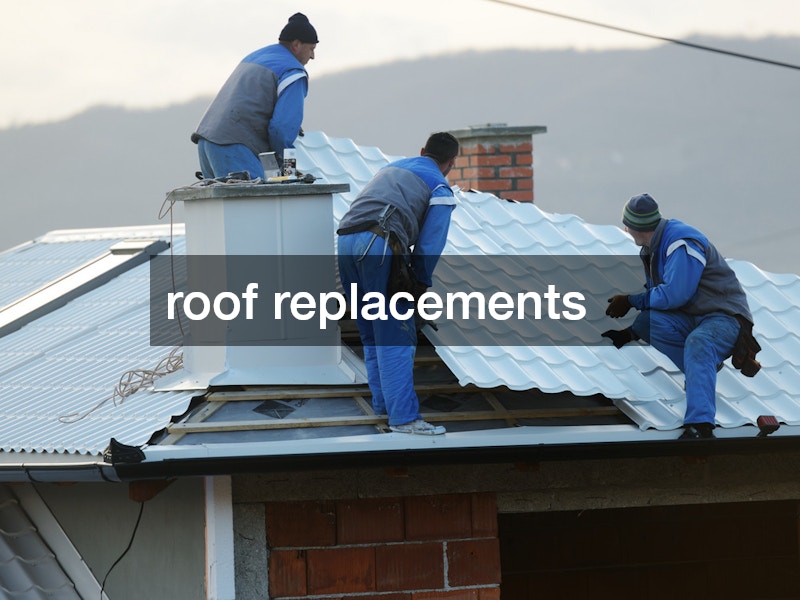
The roof is a prominent visual element and protects the interior from the elements. Roof replacements can dramatically improve curb appeal while also addressing functional concerns such as leaks, aging materials, or outdated styles.
Coordinating insulation services alongside roofing can improve energy efficiency, maintain consistent interior temperatures, and ensure that exterior walls and eaves are properly sealed. Modern insulation services also support ventilation strategies that protect the roof structure over time.
Key considerations for exterior envelope upgrades:
-
Schedule roof replacement early to protect interior renovations and landscaping
-
Choose materials, colors, and styles that complement other exterior features
-
Pair roof upgrades with insulation improvements to optimize energy efficiency
-
Inspect flashing, gutters, and drainage systems to prevent water damage
Addressing the roof replacements and insulation together maximizes both visual and functional benefits, creating a strong foundation for the rest of the remodel.
Improving Heating and Cooling Systems

Energy systems may not be immediately visible, but they influence comfort, property value, and the long-term health of interior and exterior components. Upgrading or repairing these systems during a remodel ensures they operate efficiently and integrate seamlessly with the home’s design.
Professional heating services improve system performance, replace outdated equipment, and ensure safe, consistent warmth. Similarly, air conditioning repair addresses cooling efficiency and reliability, preventing stress on exterior units and ensuring the property remains comfortable during construction.
Best practices for HVAC integration:
-
Coordinate ductwork and mechanical placement with structural and insulation upgrades
-
Schedule work to minimize interference with landscaping, paving, or roofing projects
-
Choose energy-efficient systems that are visually unobtrusive
-
Plan for routine inspection and maintenance post-renovation
By timing HVAC improvements strategically, homeowners can optimize interior comfort while maintaining curb appeal and exterior functionality.
Enhancing Entryways and Functional Exterior Features
Entryways and prominent exterior features play a central role in first impressions. Updating or replacing garage doors, for instance, can instantly elevate the property’s visual appeal and unify the overall design.
A reputable garage door company can help select styles, finishes, and hardware that complement architectural details while ensuring smooth operation and long-term durability. Coordinating door installation with driveway and paving work ensures a seamless fit, avoiding accidental damage to newly installed surfaces.
Actionable tips for exterior features:
-
Match garage door style and color to the home’s design palette
-
Coordinate installation with other exterior upgrades to reduce conflicts
-
Include finishing touches such as lighting, hardware, or decorative elements
-
Ensure that access points remain safe and functional during construction
Upgrading key entry points with the help of a garage door company strengthens both aesthetics and functionality, creating a welcoming and polished façade.
Coordinating Hardscaping and Outdoor Surfaces
Hardscaping, including patios, driveways, and walkways, complements landscaping and defines the property’s exterior flow. Timing and material choice are critical for durability and visual appeal.
Working with asphalt contractors and paving services ensures that hardscaping is installed properly and integrated with landscaping, grading, and drainage systems. Correct sequencing prevents cracks, uneven surfaces, or water pooling.
Best practices for hardscaping:
-
Delay paving until grading, excavation, and tree work are complete
-
Select complementary materials and colors that enhance the home’s aesthetic
-
Protect existing landscaping during installation
-
Integrate walkways and patios with entranceways and garden features
When executed thoughtfully, hardscaping unifies the exterior and guides visitor movement, creating a cohesive curb appeal statement.
Timing Maintenance and Finishing Touches
Final landscaping and outdoor maintenance complete the visual impact of a remodel. Well-timed lawn care, tree trimming, and planting add polish to the overall property presentation.
Working with a lawn care company ensures that grass, shrubs, and seasonal plants are healthy and vibrant at project completion. Additional tree services provide finishing touches, pruning branches, or removing any temporary hazards created during construction.
Practical finishing steps include:
-
Scheduling a final mow, fertilization, and weed control
-
Conducting final tree pruning to frame the home and highlight architecture
-
Applying mulch, edging, and other small details for a polished look
-
Confirming that hardscapes, walkways, and entranceways are clean and safe
Properly timed maintenance ensures the property looks pristine and welcoming upon project completion.
Maintaining Coordination Across All Services
Even with careful planning, coordination is essential to prevent conflicts between contractors. Regular communication ensures that work proceeds smoothly without damaging newly completed features.
For heating services and air conditioning repair, coordination with roofing, insulation, and exterior landscaping prevents conflicts and ensures equipment access remains clear. Scheduling adjustments may be needed to accommodate weather conditions or unexpected delays.
Key coordination strategies:
-
Conduct regular check-ins with all contractors
-
Share updates to prevent overlapping schedules
-
Confirm readiness before each phase begins
-
Designate a single point of contact to streamline communication
Effective coordination keeps every phase aligned, protects completed work, and reduces stress for homeowners.
Maximizing curb appeal during a home remodel requires careful planning, sequencing, and coordination across multiple trades. By assessing the property, upgrading key systems, and timing exterior enhancements strategically, homeowners can achieve a polished, cohesive, and visually appealing property. Thoughtful integration of landscaping, hardscaping, roofing, HVAC, and functional features ensures that both aesthetic and practical goals are met, creating a home that looks impressive from the street while performing efficiently inside.