Why Industrial Sites Are Rethinking Safety, Space, and Speed
Industrial sites look different than they did even a decade ago, and that shift is no accident. Rising labor costs, tighter safety regulations, and the constant pressure to finish projects faster have forced site managers to rethink everything from the equipment they buy to the structures they build. If you are trying to understand why a job site, warehouse, or construction yard operates the way it does today, it helps to look at the practical decisions behind the scenes. This article breaks down the real factors driving change, so you can make smarter choices whether you are planning a project or simply trying to understand the industry around you.
Protecting Workers When Accidents Still Happen
Even with better training and stricter protocols, injuries on industrial sites have not disappeared completely. OSHA data consistently shows that falls, equipment entanglement, and chemical exposure remain leading causes of workplace harm, and no amount of signage or safety gear eliminates that risk entirely. When something does go wrong, workers and their families often find themselves navigating medical bills, lost wages, and confusing insurance claims all at once, often within days of the incident. This is why many site operators now build relationships with a personal injury law firm before an incident occurs, rather than scrambling to find one afterward. A pre-established relationship means a firm already understands the site’s operations, equipment, and risk profile, which can shave critical time off the early stages of a claim. Some companies even bring legal counsel into their safety reviews, so documentation and reporting practices hold up better if a case ever goes to court. Having that guidance in place ahead of time helps workers understand their rights and ensures claims move faster when every week of lost income matters. It also reduces the chances that an injured worker accepts a lowball settlement simply because they don’t know what their claim is actually worth. For site operators, this isn’t just goodwill — it’s a practical way to reduce prolonged disputes, minimize downtime from litigation distractions, and show regulators that worker welfare is treated as an ongoing responsibility, not an afterthought.
Even with better engineering controls and stricter protocols, industrial accidents still happen—and how a site responds in the aftermath matters almost as much as prevention itself. Safety committees at larger facilities increasingly include legal consultation as part of their standard onboarding packets, alongside emergency contacts, first-aid procedures, and incident reporting forms. This means workers understand their rights and options before anything goes wrong, not in a panic after the fact. That advance knowledge changes behavior in measurable ways. Workers who know their options tend to report incidents sooner, often within hours rather than days, which gives safety teams a better chance to investigate root causes while evidence and witness memory are still fresh. Faster reporting also reduces the odds that a minor near-miss turns into a repeat injury down the line. The data backs this up over time. Facilities that pair onboarding education with clear, accessible reporting channels tend to see fewer under-reported incidents and more consistent safety metrics year over year. Some sites have added anonymous reporting apps or third-party hotlines to lower the barrier even further, since fear of blame remains one of the top reasons workers stay silent after a minor incident.
- Clear documentation procedures for any on-site incident, including photos, witness statements, and timestamps
- Standardized incident report forms so details aren’t lost between shifts or supervisors
- Access to legal guidance as part of new-hire orientation, not just after an accident occurs
- Faster claims processing when records are kept consistently, often cutting resolution time from weeks to days
- Reduced disputes between contractors and subcontractors over liability
- Clearer insurance payouts when documentation matches OSHA reporting requirements
- Fewer repeat incidents when documented near-misses inform future safety briefings
Choosing Equipment Built for Heavy Repetitive Work
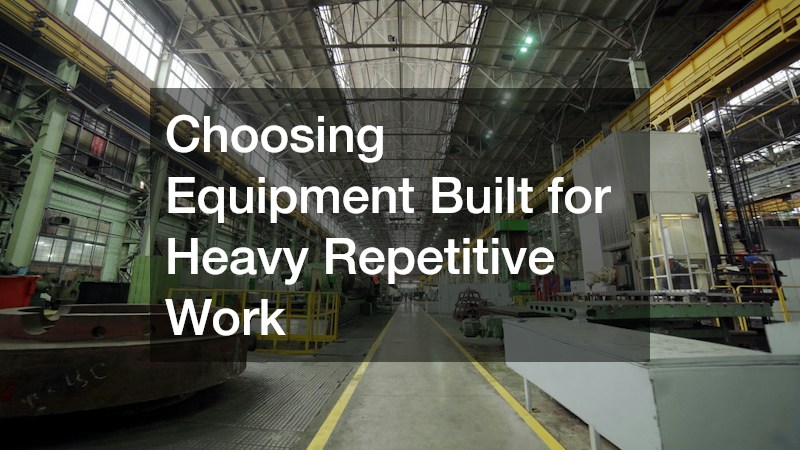
Grading roads, lots, and large earthwork projects puts enormous strain on machinery, and the components that take the most abuse need to be replaced or upgraded regularly. This is why interest in specialized grader blade manufacturing has grown alongside the broader push for efficiency on industrial sites. A blade that holds its edge longer means fewer mid-project replacements, less downtime, and a smoother final grade on the surface being worked.
Site managers comparing suppliers often look beyond price alone, since a cheaper blade that wears out in half the time ends up costing more in labor and delays. Durability testing, steel composition, and heat treatment processes all factor into how long a blade lasts under constant friction and impact.
- Steel hardness ratings that affect wear resistance
- Replacement intervals based on soil type and terrain
- Bolt pattern compatibility with existing equipment
- Warranty terms that reflect real-world performance
Building Floors and Decks That Can Handle the Load
Structural flooring decisions affect everything that happens on a site afterward, from how much weight a mezzanine can hold to how quickly a building can be finished. Composite metal decking has become a go-to choice for many commercial and industrial projects because it combines steel’s strength with concrete’s stability in a single system. The result is a floor that goes up faster than traditional poured systems while still meeting demanding load requirements.
This approach also reduces the amount of formwork needed during construction, which cuts labor hours and shortens project timelines. Because the decking itself acts as a working platform during the pour, crews can move to the next phase of construction sooner, which matters a lot when deadlines are tight and every delay adds cost.
- Faster installation compared to traditional concrete slabs
- Reduced need for temporary shoring and formwork
- Strong load-bearing capacity for multi-level structures
- Compatibility with a range of building types and spans
Relocating Operations Without Losing Production Time
Expanding businesses or those consolidating facilities eventually face the challenge of moving heavy equipment, inventory, and office operations without grinding production to a halt. Specialized business moving companies have stepped into this niche because residential movers simply are not equipped to handle industrial-scale logistics. These crews understand how to disassemble machinery, coordinate permits for oversized loads, and schedule moves around production windows so downtime stays minimal.
Planning ahead matters enormously here, since a poorly timed move can cost a company far more in lost output than the move itself. Companies that research movers with industrial experience tend to see far fewer surprises on moving day, from damaged equipment to missed deadlines with new landlords or site inspectors.
Keeping Large Crews Comfortable on Remote Job Sites
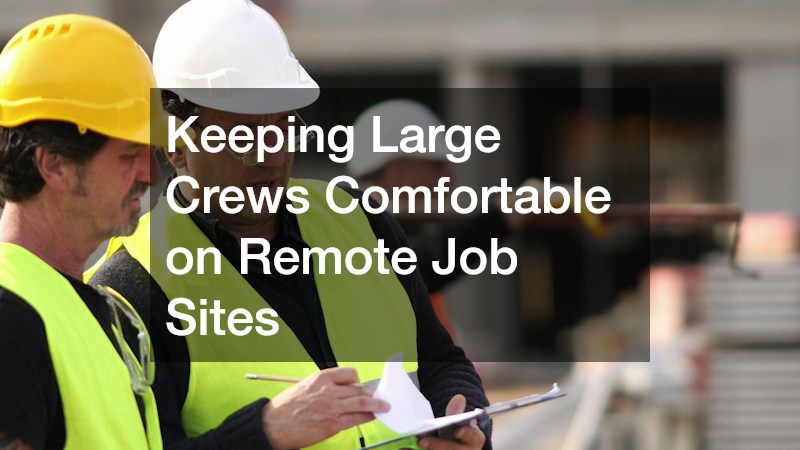
Industrial projects often take place far from existing infrastructure, which means basic necessities like restrooms have to be brought onto the site rather than assumed to be available. Porta potty rental has become a standard line item in project budgets, not an afterthought, because worker comfort and sanitation directly affect productivity and morale. A site with inadequate facilities sees more complaints, more time lost to workers traveling off-site, and in some cases actual regulatory violations.
Choosing the right number and type of units depends on crew size, project length, and local health codes. Many site managers now work with providers who offer regular servicing schedules rather than a single drop-off, since units left unmaintained over a multi-week project quickly become a liability rather than a convenience.
- Unit counts based on OSHA recommendations per worker count
- Options for hand-washing stations alongside standard units
- Scheduled servicing for longer-term projects
- ADA-compliant units for sites with accessibility requirements
Expanding Usable Space Without Lengthy Construction Timelines
One of the biggest shifts in industrial construction has been the move toward structures that can be erected quickly without sacrificing interior usability. Clear span buildings have gained popularity because they eliminate interior support columns, giving facility managers total flexibility in how they arrange equipment, storage, or workstations. Without columns breaking up the floor plan, businesses can reconfigure the space as needs change, which is a major advantage over traditional steel-frame buildings.
These structures also tend to go up faster than conventional builds, since many arrive as pre-engineered kits designed for straightforward assembly. For companies trying to get a new facility operational quickly, cutting weeks or months off a construction timeline can make a measurable difference in when revenue starts flowing from the new space.
- Open floor plans with no interior columns
- Faster assembly compared to traditional steel buildings
- Flexible reconfiguration as business needs change
- Scalable sizing for warehouses, storage, or production facilities
Balancing Speed and Safety Without Cutting Corners
It is tempting to assume that faster project timelines automatically mean more risk, but the sites making the smartest decisions are proving that speed and safety can improve together. Better materials, smarter logistics, and proactive planning all reduce the number of variables that typically cause delays or accidents in the first place. The common thread across every decision covered here is that preparation now prevents expensive problems later.
Site managers who treat safety and efficiency as connected goals, rather than competing priorities, tend to see better outcomes on both fronts. This mindset shift is arguably the biggest change happening across the industry right now, more so than any single piece of equipment or material.
Industrial sites are evolving because the old ways of doing things simply cost too much in time, money, and risk. Whether the conversation is about legal protection for workers, sturdier building materials, or smarter logistics for large crews, every decision ties back to the same goal of getting projects done safely and efficiently. If you are weighing options for an upcoming project, start by identifying which of these areas affects your situation most directly, then research providers and products with a track record in that specific niche. Making informed choices early on will save you far more time and money than trying to fix problems after the fact.