Why Your Smile Changes More Than You Realize with Age
You probably remember your smile at eighteen fairly clearly, but chances are it looks quite different today, and the changes didn’t happen overnight. Teeth shift, gums recede, enamel wears down, and old dental work ages right along with you, often in ways that are easy to miss until you compare old photos side by side. Understanding what actually drives these changes can help you catch problems early and make smarter choices about your dental care at every stage of life. This article walks through the biggest factors behind an aging smile and what you can do about each one.
Enamel Wear From Decades of Daily Use
Every bite, sip, and clench slowly wears down the outer layer of your teeth, and enamel does not regenerate once it is gone. Over the years this wear flattens biting edges, makes teeth look shorter, and can create a duller, more yellow appearance since the darker dentin layer underneath becomes more visible. Acidic foods, carbonated drinks, and frequent snacking speed this process up, often without any obvious warning signs until sensitivity sets in.
Grinding and clenching, which often increase during stressful periods of life, accelerate enamel loss even further. Many people do not realize they grind their teeth at night until a dentist points out the telltale flat spots or notices a worn-down nightguard.
- Enamel erosion often shows up first as increased sensitivity to hot or cold foods
- Flattened or chipped edges on front teeth are a common early sign of wear
- Drinking through a straw can reduce acid contact with front teeth
- Nightguards can protect enamel from grinding damage during sleep
Gum Recession and Changing Tooth Proportions
Gums naturally recede with age, and this process can be sped up by aggressive brushing, gum disease, or genetics. As gum tissue pulls back, more of the tooth root becomes exposed, which changes the visual proportion of your teeth and can make them appear longer than they used to be. This exposed root surface is also softer than enamel and more prone to decay and sensitivity.
Recession tends to happen gradually, so many people do not notice until a dentist measures the changes at a routine visit. Left unaddressed, significant recession can eventually affect the stability of the tooth itself, not just its appearance.
- Soft-bristled brushes and gentle technique help slow gum recession
- Exposed roots are more vulnerable to cavities than enamel-covered surfaces
- Gum grafting is an option for more advanced cases
- Regular checkups catch recession before it becomes severe
Tooth Shifting and Bite Changes Over Time
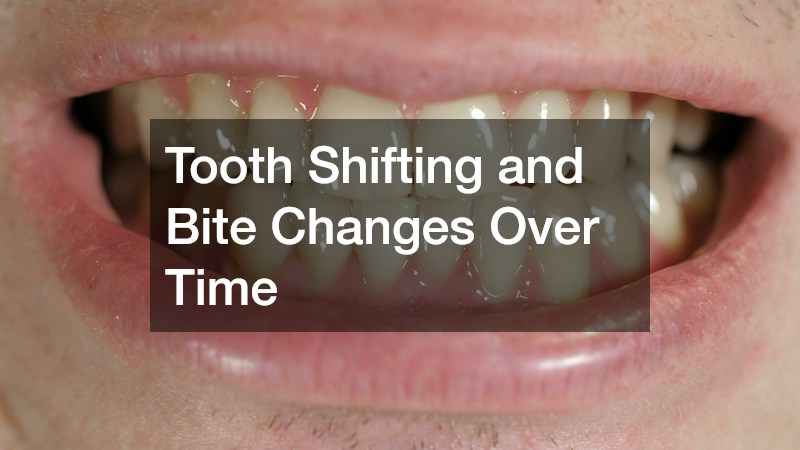
Teeth are not fixed in place forever; they continue to shift subtly throughout adulthood due to natural forces from chewing, jawbone changes, and the gradual loss of supporting tissue. This is why many people notice their lower front teeth becoming slightly more crowded in their thirties, forties, and beyond, even if they had straight teeth or wore braces as kids. Jawbone density also decreases somewhat with age, which can alter how the upper and lower teeth meet.
Interestingly, the foundation for a stable adult bite is often laid early. Parents who invest in kids braces are not just addressing appearance during childhood, they are also helping set up better long-term alignment that can reduce the severity of shifting later in life. That said, even people with excellent childhood orthodontic work can see some movement decades later, since shifting is a normal part of aging rather than a sign that something went wrong.
- Lower front teeth are especially prone to crowding with age
- Retainers worn consistently can help maintain alignment long after braces
- Bone density changes can subtly affect how teeth fit together
- Some adults choose orthodontic treatment again later in life to address shifting
Tooth Color and Staining Changes
Teeth naturally darken with age as enamel thins and the yellower dentin underneath becomes more visible, a process that happens gradually enough that it can be hard to notice in the mirror day to day. On top of this natural darkening, decades of coffee, tea, red wine, and certain medications can leave surface stains that build up over time. Some medications taken during childhood, like certain antibiotics, can also cause intrinsic staining that becomes more noticeable as enamel thins with age.
Whitening treatments can address surface stains effectively, but they will not change the underlying yellowing caused by enamel thinning, which is why results vary so much from person to person. Anyone considering whitening should also know that existing dental work like crowns or veneers will not change color along with natural teeth, which can create mismatched results if not planned carefully.
- Surface stains respond well to professional whitening treatments
- Intrinsic discoloration from enamel thinning is harder to reverse
- Red wine, coffee, tea, and tobacco are common staining culprits
- Existing crowns or veneers stay the same shade during whitening
Aging Dental Work and Restorations
Fillings, crowns, and bridges are not permanent fixtures; they wear down, discolor, and sometimes fail after years of use, which means a smile full of dental work from decades ago may need reassessment. Older amalgam fillings can expand slightly over time, sometimes leading to small cracks in the surrounding tooth structure. Crowns placed many years ago may also show a dark line near the gumline as the gum recedes and the margin becomes visible.
Because restorations age differently than natural teeth, it often takes a trained eye to catch subtle problems before they become painful or expensive. This is one of the strongest reasons to see a cosmetic dentist periodically even if nothing seems obviously wrong, since early detection of a failing filling or crack is far easier to treat than waiting until a tooth fractures. A thorough evaluation can also reveal whether older dental work is still functioning well or quietly contributing to the way your smile has changed over the years.
- Amalgam fillings can expand and crack teeth over decades
- Crown margins may become visible as gums recede
- Replacing old restorations can improve both function and appearance
- Routine exams catch failing dental work before it causes pain
A changing smile is a normal part of getting older, but that does not mean you have to accept every change without understanding why it is happening. From enamel wear and gum recession to shifting teeth and aging dental work, each factor offers a chance to catch issues early and keep your smile healthy for decades to come. Scheduling regular dental checkups gives you the clearest picture of what is actually happening in your mouth rather than relying on guesswork. Taking that simple step now is the best way to stay ahead of changes before they become bigger problems.